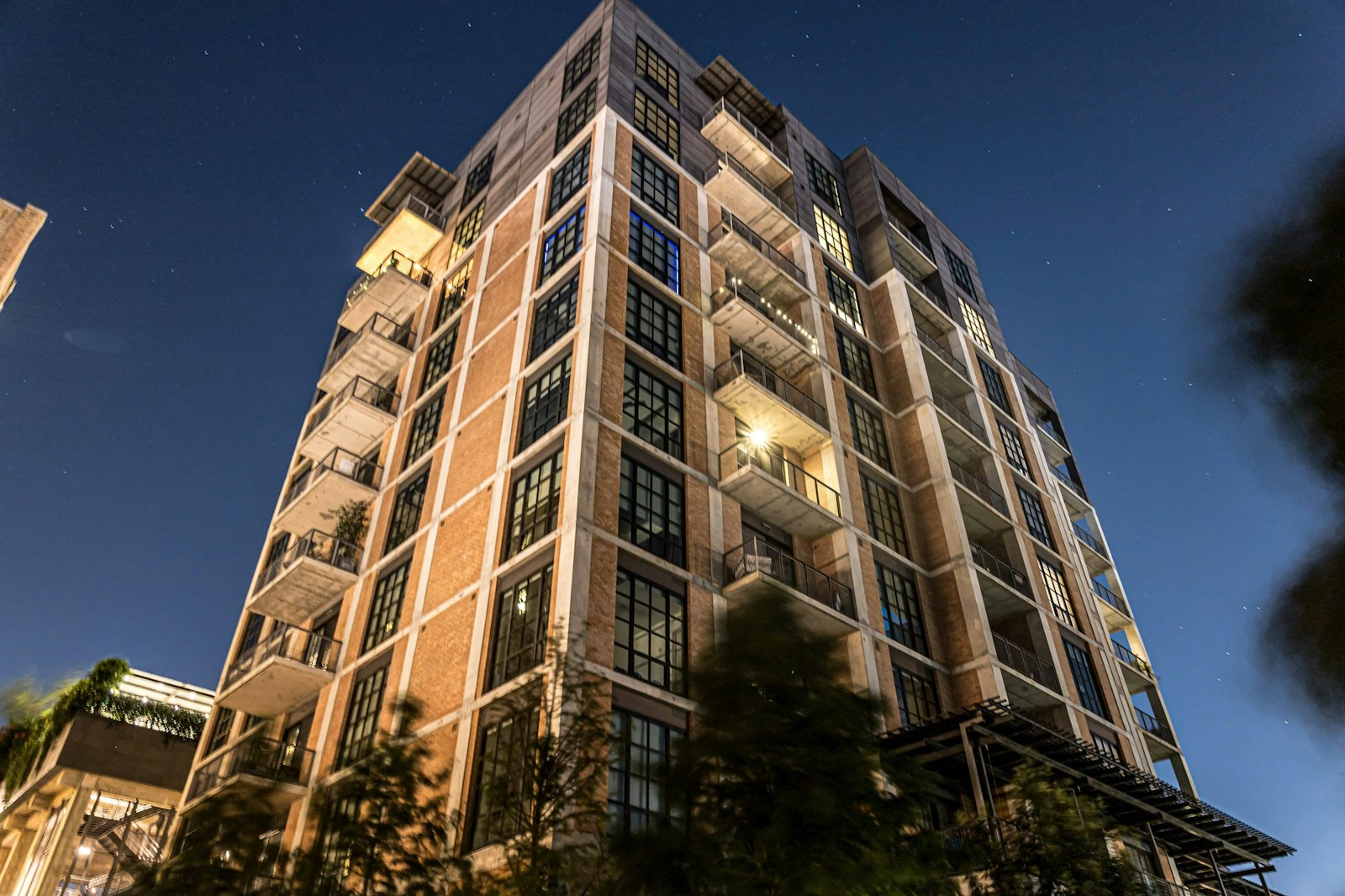
There’s quite a debate surrounding the choice between HDB flats and condominiums in Singapore. Having lived in both, I can share my personal insights and real examples that reveal the realities of each option. From the affordability of HDBs to the more luxurious experiences associated with condos, each has its merits and drawbacks. In this post, I’ll cover the necessary aspects of HDB vs. Condo – The Brutal Truth Uncovered, drawing from my experiences to help you make an informed decision. Whether you’re a first-time buyer or considering an upgrade, understanding these differences is key.
HDB Vs Condo – The Brutal Truth Uncovered
As someone who has navigated the confusing landscape of Singapore’s housing options, I found the comparison between HDB flats and condominiums to be quite enlightening. Each option carries its own set of advantages and disadvantages, greatly influenced by personal preferences and lifestyle choices.
Key Takeaways:
- Affordability: HDB flats are generally more affordable than condos. When I was searching for my first home, I found a decent HDB flat for around $400,000 in a lively neighbourhood, whereas comparable condos were priced starting at $800,000. This significant price difference allowed me to channel my finances into other investments.
- Facilities and Lifestyle: Condos often come with extensive facilities such as pools, gyms, and security. While I appreciate the security and lifestyle that come with living in a condo, I also noticed that the associated maintenance fees could be steep. A friend of mine pays a hefty $400 monthly in condo fees, which adds to her overall living expense, whereas my HDB flat has minimal maintenance costs.
- Community and Connectivity: Living in an HDB flat tends to encourage a strong sense of belonging. In my experience, interacting with neighbours on the void deck has built connections that I cherish. On the other hand, the more private nature of condos can lead to a less community-focused environment, which some may find isolating despite high-end living.
The Price Spectrum: HDB vs Condo
In my experience, the price spectrum between HDB flats and condos can vary significantly, influenced by factors like location, amenities, and market demand. HDB flats often come at a more accessible price point, starting around $300,000 for a decent unit.
In contrast, condos can range from $800,000 to over $2 million, depending on size and facilities offered. I recall my friend purchasing a two-bedroom condo in a prime district for $1.5 million, while I opted for an HDB that cost $420,000 in a nearby area, highlighting the financial gap between the two options.
What You Can Afford: A Personal Financial Breakdown
My own financial journey stems from careful budgeting and evaluating my priorities. When I decided to buy, I assessed my income, savings, and debts, ensuring I could comfortably afford monthly mortgage payments. With my HDB, the initial outlay was about $80,000, covered by my savings and CPF funds, allowing me to keep my financial commitments manageable. On the other hand, my friend’s condo purchase required a hefty down payment of $300,000, which significantly influenced his cash flow.
Hidden Costs: Maintenance Fees and Resale Value
Beyond the initial cost of purchase, I discovered maintenance fees in condos can be surprisingly high, often ranging from $300 to $800 monthly. These charges cover facilities, security, and upkeep, which significantly impact your annual budget. Conversely, HDBs typically have minimal maintenance fees, under $200 monthly, making them appealing for budget-conscious buyers. Knowing these ongoing expenses is vital when assessing long-term affordability and resale values. The resale value of HDBs seems stable, but condos can fluctuate drastically based on market conditions, impacting potential future gains.
Interesting Posts


As I continued to explore hidden costs, I noted how much maintenance fees could add up over the years. My friend regularly pays $500 monthly for his condo, which translates to an annual expense of $6,000, a substantial financial commitment. In contrast, the $1,200 I spend on my HDB yearly for maintenance leaves room for savings or investments. Such discrepancies can genuinely affect your financial health in the long run, especially if you plan to resell your property at a profit. Understanding these hidden costs helps illustrate the broader financial picture when navigating HDB vs condo options.
Lifestyle Contrasts: The Real Experience
Throughout my journey of living in both HDBs and condos, I’ve encountered striking differences in lifestyle that can dramatically affect daily life and overall satisfaction. Each housing type offers unique experiences – from the vibrant community atmosphere of HDBs to the luxurious amenities found in condos. These environments influence not only personal routines but also social interactions, leading to distinct ways of life. Understanding these contrasts can help you determine what best suits your preferences and needs.
Community Living: The HDB Neighbourhood Vibe
The HDB neighbourhood is a tapestry of vibrant community life, characterised by a diverse mix of residents. In my experience, people are often more inclined to interact, whether it’s through simple greetings in the lift or festive occasions in common areas.
Shared spaces, such as hawker centres and void decks, foster a sense of belonging, which makes you feel part of a larger family. I’ve enjoyed numerous block parties and community events where everyone comes together, showcasing the strong communal bonds that HDB living promotes.
Luxury Amenities: The Condo Lifestyle
Surrounded by a host of luxury amenities that significantly enhance day-to-day life, I find myself living in a condo. Pools, gyms, and rooftop gardens became part of my routine, providing spaces for relaxation and exercise without the hassle of travelling outside. Entertaining friends became a pleasure with shared barbecue pits and lounge areas right at my doorstep, allowing for casual gatherings with ease. These features not only elevate comfort but also promote a lifestyle filled with convenience and style.
The array of amenities available in condos further enhances your lifestyle by granting access to facilities such as tennis courts, spa services, and even 24-hour security. I relished the convenience of on-site fitness classes and the tranquillity of hanging out at the poolside after a long day. With more time saved from commuting to external facilities, personal wellness and social connections flourished. The luxurious environment creates an aspirational lifestyle that appeals to many, adding to the allure of condo living in a bustling city such as Singapore.
HDB Vs Condo: Long-Term Perspectives
Long-term investment in real estate can be a daunting gamble. The question often arises: do HDBs appreciate significantly over time compared to condos? From my personal experience, I’ve realised that HDBs typically offer more affordability and government support, but their appreciation rates are usually lower than those of condominiums.
For instance, I bought an HDB unit at $350,000, which appreciated to about $520,000 after a decade, a respectable gain, but a condo purchased at $800,000 soared to $1.5 million in the same timeframe. These differences are not merely academic; they affect overall financial strategies and your long-term goals.
Personal Investment Journey: HDB Resale vs Condo
My foray into property began with an HDB flat, which I viewed as a practical choice. After several years, I decided to sell it and was surprised by the limited gains compared to my friend’s condo purchase. While my HDB was spacious and family-orientated, the condo with its amenities and proximity to transport hubs attracted higher prices when they went on the market. This realisation propelled my shift to condo investments, where the returns have been markedly better.
Future Value: Market Trends Unpacked
Exploring future values of both property types offers further insights into market dynamics. The demand for residential properties in Singapore tends to favour condos, especially among younger buyers who value convenience and lifestyle. An example can be seen in areas like Tiong Bahru, where refurbished condos sell rapidly at prices considerably above their initial value, while nearby HDBs remain stagnant. This trend suggests that condos may offer better long-term capital appreciation than HDBs in numerous instances.
Market trends fluctuate, consistently revealing a desire for condominiums, particularly in prime areas or those with redevelopment potential. HDBs, while stable, face rising competition from private properties as the socio-economic landscape evolves. Data shows that the annual average appreciation of condos can range from 5% to 7%, significantly overshadowing the 2% to 3% seen in HDBs. This discrepancy indicates that targeting the right condo investment can yield substantial returns over time, making it a compelling factor when considering future property acquisitions.
HDB Vs Condo: Choosing What Suits You
Making a choice between HDB and condo living involves a careful assessment of personal priorities and lifestyle. Before diving in, I recommend reflecting on your long-term objectives, financial position, and family needs. Creating a pros and cons list for both options has helped me clarify which features resonate most with my desires, whether it’s investment potential, community living, or simply enjoying the amenities that come with a condo. With a clear framework, you’re better equipped to make an informed decision that aligns with your aspirations.
Prioritising Needs: Family vs. Investment Focus
Your choice between HDB and a condo largely hinges on whether you prioritise family needs or investment potential. In my experience, families often lean towards HDB due to its affordability and proximity to schools and public transportation. Conversely, if capital appreciation and luxurious amenities are your main goals, a condo could provide a more satisfactory solution. Each choice brings with it distinct advantages tailored to different phases of life.
Real-World Implications: Commute, Space, and Utility
Both HDBs and condos impact your daily life significantly in terms of commute, space, and utility. In my case, I experienced a notable difference in commuting times. Living in a condo near an MRT station allowed me to save 30 minutes on my daily journey compared to my time in an HDB further from transit services. Regarding space, condos generally offer more modern layouts with better facilities, but they can come at a higher price. HDBs, while more compact, can still accommodate a growing family comfortably. Additionally, the utilities tend to be cheaper in HDBs, which is quite appealing for the budget-conscious.
Your commute and overall space utilisation compel you to think about your lifestyle. For those with a family, a home in HDB, in proximity to schools and parks, enhances daily convenience. Meanwhile, young professionals might observe that condos with access to leisure facilities stand out as an attractive option, providing a balance of comfort and utility. I used to value the proximity of amenities in a condo, realising it not only simplified living but also enriched my social life with community events and gatherings that were simply absent in an HDB setting. Balancing these real-world factors will help shape the right decision for your unique situation.
Demystifying Myths: Setting the Record Straight
In the debate over HDBs and condos, misconceptions abound. Many believe that HDBs offer a lower quality of living, while condos are synonymous with luxury. My personal experience reveals a more nuanced reality. Each housing option has its unique attributes and benefits, often shaped by the consumer’s lifestyle, budget, and expectations. By addressing these myths, you will gain a clearer perspective on the actual differences between the two housing types.
Common Misconceptions about HDBs
One of the prevalent misconceptions regarding HDBs is that they are strictly for low-income individuals, leading many to overlook their potential. During my stay in a five-room HDB flat in Yishun, I found that the community spirit was vibrant, with friendly neighbours and ample amenities nearby. The home offered spacious living and a sense of belonging that many upscale condos lacked. HDBs are more than just government-subsidised flats; they can foster rich experiences and neighbourhood ties.
Condo Living: Beyond the Surface
Condo living often presents an appealing facade—luxurious swimming pools, perfectly manicured gardens, and state-of-the-art gyms. However, I found that the allure of these high-end amenities sometimes masked other realities. For example, I rented a condo in Bukit Timah with stunning views and a fancy lobby, but I quickly realised that high monthly maintenance fees could be a financial strain. Moreover, the lack of community interaction made me yearn for the more grounded atmosphere of my previous HDB life.
The factors that influence your condo experience extend far beyond just aesthetics. I recall engaging with residents in the HDB community, sharing festive meals and celebrating occasions together. In contrast, the condo environment felt isolating; although many residents were friendly, most were preoccupied with their own routines. Additionally, while amenities such as security and pools might be appealing, they often come at a cost, which can significantly affect your overall budget and financial planning.
Final Words
With this in mind, my journey navigating the HDB vs condo debate has been eye-opening. I initially opted for an HDB because I appreciated its community spirit and affordability, which cost around $300,000. However, when I later moved to a condo, priced at $800,000, I truly experienced the allure of luxury amenities and greater privacy. Each option has its pros and cons, and your choice should align with your lifestyle and financial goals. Ultimately, whether you value community or luxury, understanding the reality of both will guide you in making the right decision for your future.
HDB Vs Condo – The Brutal Truth Uncovered
Q: What are the main differences in lifestyle between living in an HDB and a condo?
A: Living in an HDB (Housing Development Board) flat generally offers a more community-centric lifestyle. For instance, when I lived in an HDB, neighbours were frequently seen chatting in the corridors or enjoying the common facilities, like playgrounds and fitness corners. I often found myself engaging with the community during festive occasions like Chinese New Year when we exchanged goodies and decorations. In contrast, my experience in a condo felt more private. With amenities like swimming pools and gyms available exclusively to residents, the ambience was quieter. However, interactions were limited; I often barely recognised my neighbours. This difference in community vibe greatly influenced my overall living experience.
Q: How do monthly expenses compare between HDBs and condos?
A: The monthly expenses can vary significantly between HDBs and condos. When I lived in an HDB, my monthly expenses averaged around $200 for service and conservancy fees, which included maintenance of communal areas and other services. This made budgeting easier. Conversely, when I switched to a condo, my monthly fees skyrocketed to approximately $600. The fees covered more luxurious facilities, but with an increased price tag. Additionally, condominiums often have higher utilities due to additional amenities like swimming pools and gyms. Therefore, while HDB living is more cost-effective, condo living comes with premium features for a significant price difference.
Q: How does the long-term investment potential of HDBs compare to that of condos?
In my experience, investing in real estate often resembles a gamble, with the decision between HDB and condo playing a significant role. HDB properties have shown relatively stable appreciation over time, typically increasing in value at a steady pace. My friend’s HDB, bought for $300,000, appreciated to around $450,000 over a decade. On the other hand, condos can experience sharp fluctuations. I bought a condo for $800,000, but due to market conditions, its value dropped to $700,000 within two years. Thus, while HDB flats generally offer a stable long-term investment, condos may present opportunities for high returns but are riskier due to market volatility.