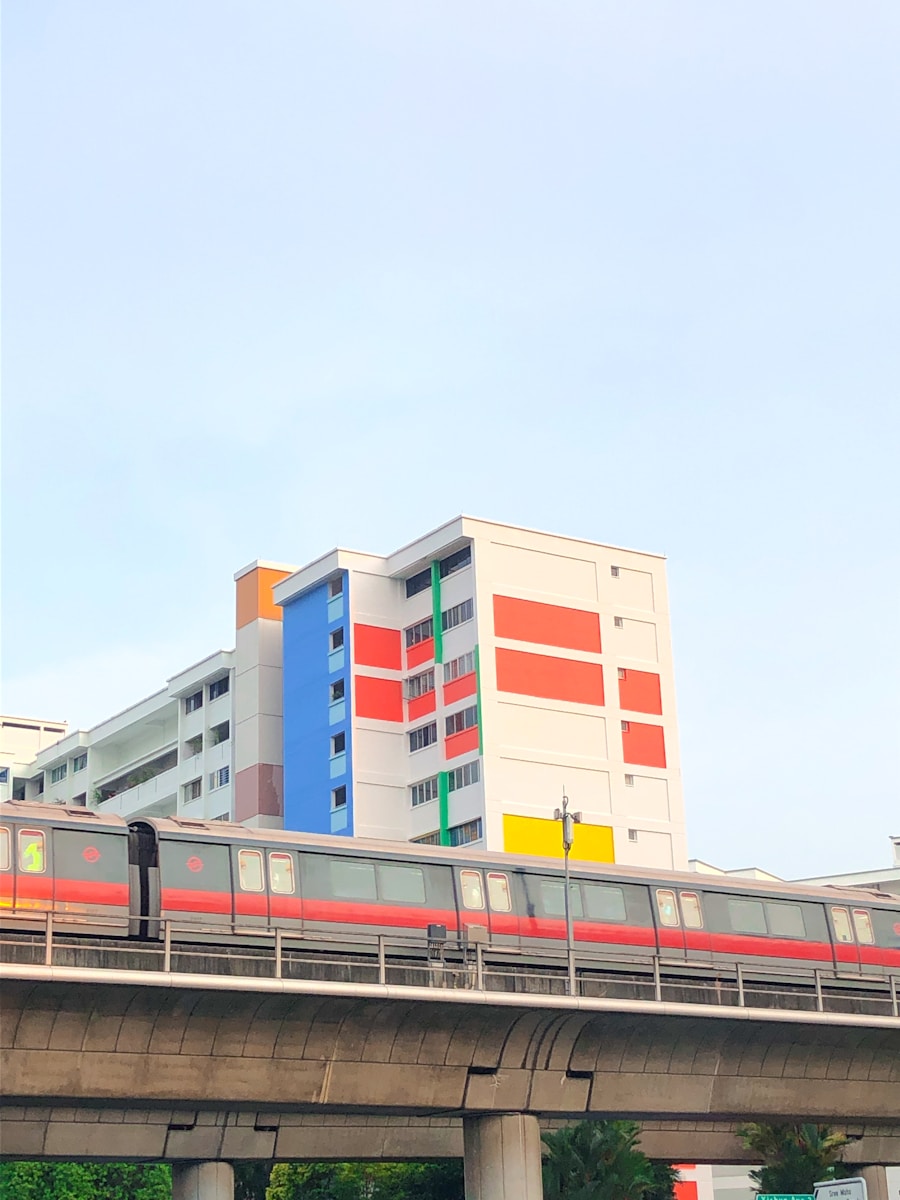
It’s fascinating to explore the world of HDB priority schemes, especially given my personal journey through the process. Understanding how these schemes prioritise certain groups, such as first-time buyers or families, significantly influenced my homebuying experience. In this post, I’ll share some interesting facts about HDB priority schemes, supported by real-life examples that will help you navigate your journey with confidence.
The Housing and Development Board (HDB) in Singapore operates several priority schemes to assist different groups in securing public housing more easily. These initiatives are designed to make the home-buying process more accessible for specific demographics, ensuring that families in need, first-time buyers, and those with urgent housing needs have a fair chance.
The importance of understanding these schemes can greatly impact the journey towards homeownership. There are various priority schemes tailored for different groups, including married couples, singles, and households with children. My personal experience navigating these options has been enlightening, and I would like to share some insightful details based on what I’ve encountered.
Key Takeaways:
- The Married Child Priority Scheme offers parents a better chance to secure a flat. I found this to be particularly helpful, as it was my parents’ geographic familiarity that influenced my decision to buy an HDB flat in the same area. They had lived there for decades, and this scheme ensured that I could stay close to family.
- The Multi-Generation Priority Scheme aims to support families wishing to live together, something I saw first-hand with my friend, who successfully bought a flat alongside her parents. This not only helped strengthen family ties but also improved their collective living conditions.
- First-time buyers have certain advantages, which I personally utilised. This helped me dodge some of the lengthy queues typically associated with public housing applications, allowing me to secure my flat with relative ease and focus on the finer details of moving in.
Understanding these schemes will undoubtedly assist anyone interested in HDB flats. It helps highlight not just the financial aspects but also the emotional connections tied to homeownership, particularly in a community-focused place like Singapore.
I found the HDB Priority Schemes to be an eye-opening aspect of Singapore’s housing landscape. These schemes are designed to cater to various groups, ensuring that those who need support the most can secure a flat. By understanding the intricacies of these schemes, I was able to navigate the system more efficiently for my housing application.
Unpacking HDB Priority Schemes: Who Benefits Most?
The HDB Priority Schemes are tailored to help specific groups, such as first-time buyers, families, and even those with specific needs. The most significant beneficiaries tend to be young couples starting their journey together and families looking for affordable housing solutions. Understanding who these schemes serve best can significantly impact your application success.
Eligibility Criteria and Application Process
Each priority scheme comes with its own set of eligibility criteria, which can include factors such as citizenship status and family nucleus. For example, I needed to provide proof of my family unit, alongside financial documents. The application process was relatively straightforward, but knowing the details helped me prepare effectively and improve my chances of success.
Real Stories: How Priority Schemes Changed Lives
I’ve encountered numerous stories of individuals whose lives transformed due to the HDB Priority Schemes. One particularly striking example involved a young couple who were able to secure their first home through the First Timer Priority Scheme. They had been renting for years and faced countless challenges to saving for a deposit, but this scheme facilitated their entry into the property market.
Interesting Posts


Through conversations with friends and family, I’ve learnt how the HDB Priority Schemes have dramatically impacted the lives of many. One friend secured a three-room flat after applying under the Singles Scheme, despite previously facing hurdles in finding affordable accommodation. This not only provided her with a stable home but also a sense of community she desperately sought. Such real-life experiences illustrate the fundamental role these priority schemes play in addressing housing needs and making dreams of homeownership a reality.
Interesting Facts About HDB Priority Schemes
Throughout my journey in exploring HDB priority schemes, I discovered how dynamic and necessary these schemes are for potential homeowners in Singapore. My experience navigating the system revealed a wealth of information and strategic approaches that can significantly influence one’s ability to secure public housing. Understanding the intricacies of these schemes can help you maximise your chances of acquiring a flat at your desired location.
The Impact of HDB Priority Schemes on Housing Affordability
The introduction of HDB priority schemes has created a direct impact on housing affordability in Singapore. With specific allocations set aside for various groups such as first-time buyers, married couples, and those residing near their parents, these initiatives have aimed to enhance access to affordable housing. By easing the process for eligible individuals, the schemes ultimately encourage a sense of community and kinship among residents.
Financial Implications for Different Groups
Each eligible group experiences distinct financial implications under HDB priority schemes. For instance, first-time buyers often benefit significantly through lower down payments and enhanced accessibility to grants, allowing them to enter the property market with reduced financial strain. In my case, the additional support provided by the scheme made it possible for me to invest in my first home sooner than I initially believed possible.
Comparative Analysis: Priority Schemes vs. Open Market Bidding
The difference between priority schemes and open market bidding can be stark and worth considering. Priority schemes are designed to provide quicker access and reduced competition for specific categories of individuals, while open market bidding tends to elevate costs significantly due to heightened demand. I have observed that waiting times for flats under priority schemes can often be shorter, making them a more appealing option for many buyers, including myself.
Key Differences
| Priority Schemes | Open Market Bidding |
| Lower waiting times | Potentially longer waiting periods |
| Reduced competition | Higher competition and bidding wars |
| Financial assistance and grants | No financial assistance |
Additionally, engaging in open market bidding often means dealing with fluctuating prices driven by market demand, which can be unpredictable. As I considered various options in my flat search, this volatility made priority schemes far more appealing. They not only provided financial assistance but also presented a chance to secure my home in a less competitive environment.
Comparative Insights on Affordability
| Priority Schemes Accessibility | Open Market Bidding Costs |
| Designed to assist lower-income families | Prohibitive for many first-time buyers |
| Lower overall costs of acquiring property | Higher total expenditure due to bidding |
| Community-oriented housing options | Individualistic focus on investment |
Demystifying the Selection Process in HDB Priority Schemes
Experiencing the HDB priority schemes was both enlightening and overwhelming. Understanding the selection process was crucial to navigate through the complexities. As a first-time home buyer, the various tiers of eligibility were daunting, but with detailed information from forums and my research, I found clarity. The distinction between those with priority and those who entered the general queue was crucial, as I observed friends who utilised specific schemes secure their flats more swiftly than others.
The Lottery System: A Fair Chance?
While some may argue that the lottery system provides equal opportunities for all, my personal experiences provide a different perspective. After participating in several exercises, I’ve noticed that the concept offers everyone a fair chance, but the odds heavily favour those who fall under specific priority categories. Observing friends win their flats through the ballot is a testament to both luck and strategic entry timings, showcasing the unpredictable nature of the lottery.
Factors Influencing Selection Outcomes: An Insider’s View
Many factors come into play regarding the selection outcomes in HDB priority schemes. Personal experiences have shown me that being part of a priority group significantly boosts one’s chances. For example, my acquaintance, who entered the scheme as a first-time applicant with strong familial ties to the HDB’s criteria, had much better success than I did as a solo applicant. This status created an advantageous position that I sought to understand further.
- Priority scheme categories, such as first-timer or married couple status, enhance one’s chances.
- Location preference can affect the outcomes due to higher competition in desirable areas.
- Involvement in community initiatives often translates into added advantages within the selection process.
With a more profound insight into personal instances, the factors influencing selection outcomes extend far beyond mere luck. My journey reveals that prioritising your applications and understanding the nuances of eligibility can be game-changing. Connecting with more experienced applicants provided clarity on how location preferences and timing of applications ultimately shape the results.
- Networking with others can lead to greater awareness of available flats ahead of the ballots.
- Engagement in community activities serves as an added point to bolster one’s application.
- Understanding the HDB’s terms and conditions can help navigate the process more efficiently.
This opens your eyes to how multiple layers influence your flat selection experience, pointing to the importance of informed application strategies.
Interesting Facts About HDB Priority Schemes
Experiencing the HDB priority schemes was both enlightening and overwhelming. Understanding the many available options and their specific criteria can be somewhat confusing. What stood out to me was the balance between individual needs and the broader social goals these schemes aim to achieve. Each priority scheme serves a specific group, ensuring that the housing landscape is equitable and based on pressing community needs. I found that one of the more striking aspects was how these schemes are designed to support families, first-time buyers, and various target groups in navigating the challenging housing market.
Underappreciated Aspects of HDB Priority Schemes
Users often overlook the nuances of HDB priority schemes that play a critical role in fostering diverse communities. For instance, I found that while most people focus heavily on the eligibility criteria, many fail to appreciate how these schemes encourage social integration by creating mixed communities, which is vital for national cohesion. It’s fascinating to see how the design of these applications influences community dynamics in the long run.
Community Building Beyond the Ballot
During my research, I found that HDB priority schemes are not just about winning a ballot. They facilitate community engagement before and after homeowners receive their keys. I attended several community events organised by my local town council. Through these engagements, I managed to connect with my future neighbours and participate in discussions about enhancing our living environments. These interactions fostered a sense of belonging even before moving into my new flat.
Unique Experiences: My Journey through the Priority Application
Navigating the HDB priority application was an adventure filled with anticipation and, at times, trepidation. I submitted my application under the Fiancé/Fiancée Scheme, a scheme that permits couples to buy a flat prior to marriage. I remember meticulously gathering all the required documentation, ensuring I met the criteria as my heart raced with hope. Surprising myself, I uncovered resources and forums online where fellow applicants shared their experiences and advice, which made me feel less alone in the process. Sharing my journey with others revealed that I wasn’t unique in facing hurdles. We exchanged tips on how to prepare for the interview and shared insights on the best practices when compiling our applications. The camaraderie within the applicant community made the daunting task feel easier. Eventually, when the day arrived to submit my application, I felt a mixture of excitement and anxiety, knowing that my future was now dependent on a simple ballot outcome.
Experiencing the HDB priority schemes was both enlightening and overwhelming. Understanding their nuances and implications can make a considerable difference in your housing journey. Through personal encounters, I realised that these schemes genuinely cater to Singapore’s diverse needs. For instance, as I navigated the application process, I learnt about the various priority categories, such as those for families, singles, and first-time homebuyers, all of whom are vying for limited resources in an increasingly competitive market.
Future Directions for HDB Priority Schemes: What’s on the Horizon?
We anticipate a significant evolution of HDB priority schemes in the future. The emphasis seems to be shifting towards finding innovative solutions to meet the evolving needs of residents. As such, you might see potential enhancements in affordability, accessibility, and inclusivity within these frameworks, all aiming to make housing a more sustainable cornerstone of everyday life.
Potential Reforms and Policy Changes
Anticipated reforms may focus on fine-tuning the allocation process to better address demographic shifts and housing demands. For example, enhancing priority access for imperative workers or families with children will create a more balanced community. Having witnessed the frustrations of friends who faced long waiting times, I can appreciate the need for more responsive policies that reflect the realities of today’s Singaporean society.
Sustaining Inclusivity in Housing Policies
Inclusivity in housing policies hinges on ensuring an equitable distribution of opportunities among residents. Initiatives aimed at enhancing access for low-income families and specific minority groups are currently under discussion, reflecting a commitment to diversity in our communities. Sustaining inclusivity in housing policies requires ongoing dialogue with community stakeholders.
This interaction helps understand the pressing needs of various groups, ensuring that policies remain relevant. Moreover, leveraging data analytics could allow for a more transparent and merit-based selection process, accommodating a broader range of applicants. It is imperative that as priorities shift, we continue to advocate for policies that reflect the true diversity of Singaporean society, thereby creating vibrant mixed communities.
Final Words
Presently, my experiences with HDB Priority Schemes have truly informed my understanding of the housing landscape in Singapore. I’ve seen how these schemes empower first-time buyers, especially through initiatives like the Married Child Priority Scheme, which allowed my friend to secure a home near her parents. The financial incentives, such as the Enhanced CPF Housing Grant, play a significant role in easing the burden of purchasing a flat. These schemes not only create accessibility but also encourage an emotional connection among residents. Engaging with these opportunities undoubtedly shaped my perspective on homeownership.
Interesting Facts About HDB Priority Schemes
Q: What are HDB Priority Schemes, and how do they benefit applicants?
A: HDB Priority Schemes are initiatives designed to assist specific groups of applicants in securing public housing in Singapore. These schemes give certain groups, such as first-time buyers, married couples, or those with existing relatives living nearby, preferential treatment in the flat allocation process. For instance, I applied under the Married Child Priority Scheme when I was searching for my first home. This meant I could choose from a larger pool of available flats, as my application was prioritised due to my intention to live closer to family. This increased my chances significantly compared to other applicants.
Q: Can you share your experience about how HDB Priority Schemes affected your flat selection?
A: Absolutely! During my application process, I opted for the Sibling Priority Scheme to increase my chances, given I was looking to reside near my brother. This scheme was beneficial as it allowed us to jointly apply for a flat, and compete for units in a less congested queue. I vividly recall receiving the offer for a flat sooner than anticipated, largely due to this priority. The appeal of having family nearby while still maintaining my independence noticeably enhanced the overall experience of purchasing my first home.
Q: How do the application processes differ between the various HDB Priority Schemes?
A: Each HDB Priority Scheme has its unique criteria and application processes, tailored to the specific needs of the groups they serve. For instance, I found it important to submit documents proving my parents’ age and residency status when I applied for the Senior Priority Scheme. In contrast, when I later applied under the First-Timer Scheme, the process focused more on our financial eligibility and household composition. Understanding the specific requirements for each scheme made a significant difference, as I was able to gather the necessary documents ahead of time, streamlining our application process and ultimately leading to a successful flat purchase.