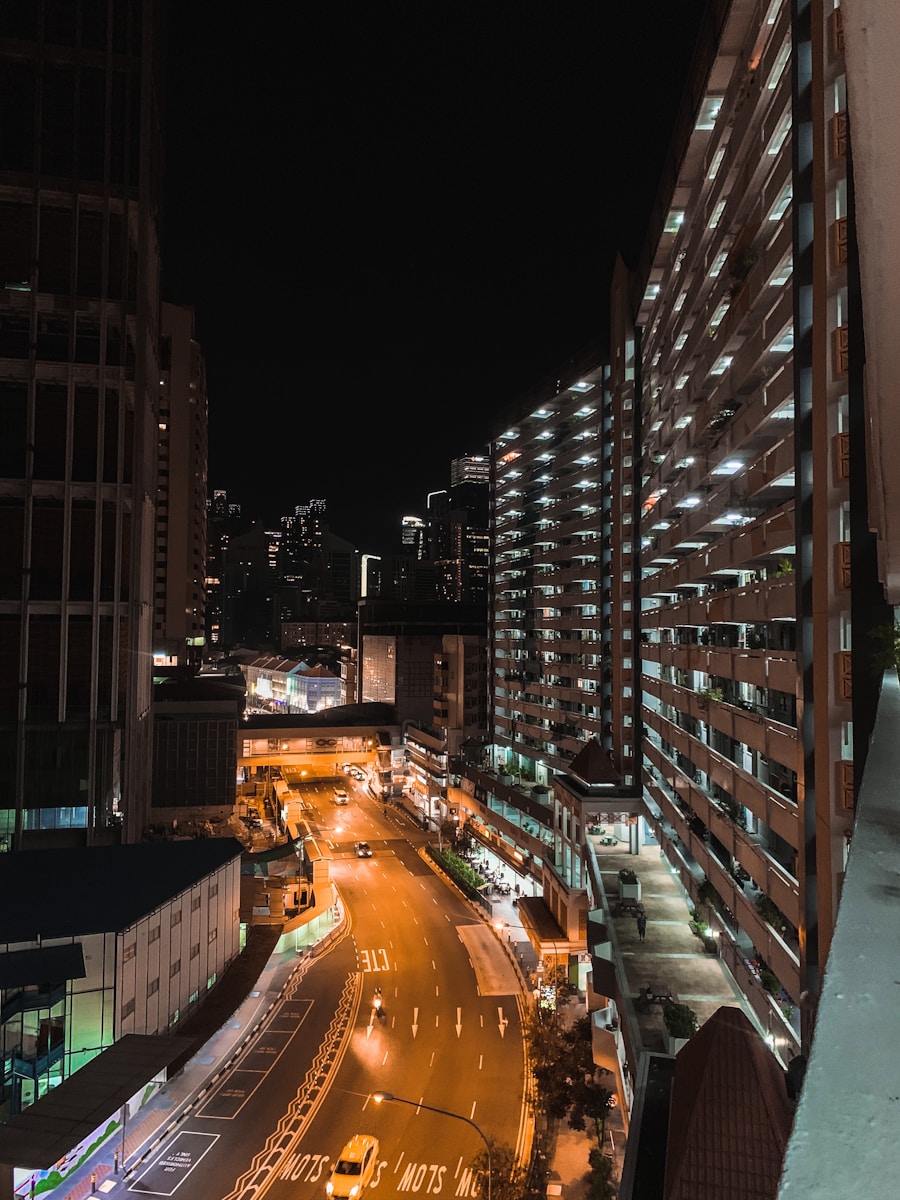
It’s quite common to hear about the joys and benefits of owning a HUDC flat, but there are nuances that often go unspoken. Drawing from my experiences, there are regrets that can catch you off guard. Unexpected maintenance costs and resale difficulties are among the challenges I’ve encountered firsthand. In this post, I’ll share my personal journey and discuss the realities of owning a HUDC flat that many might overlook.
When considering obtaining a Housing and Urban Development Company (HUDC) flat, many potential buyers often have a checklist of features, amenities, and prices in mind. However, there are often unspoken regrets and challenges. Drawing from personal experiences and observations, here are key takeaways regarding HUDC flats.
Key Takeaways:
- Maintenance Expenses Can Be Higher than Expected: While HUDC flats are generally well-maintained, I discovered that the monthly maintenance fees can be a hidden burden. For instance, after moving into my HUDC flat, I was surprised by the additional costs for upgrading communal facilities and unexpected repairs, which led to spending around $300 more than I initially anticipated each year.
- Location Can Impact Resale Value: I chose a rather attractive HUDC flat, but its location, while convenient for me, turned out to significantly hamper resale value. After living there for a few years, I realised that flats in more established or up-and-coming neighbourhoods had much better prices. My flat’s resale value increased only by $20,000, while neighbours in more desirable areas saw increases up to $50,000.
- Community Dynamics Matter: While the community can be one of the wonderful perks of living in a HUDC flat, I found that not all residents were active or engaged. My building had a few residents who would voice complaints often, leading to a tense atmosphere rather than a supportive community. This experience made me reconsider my investment choices and wish I had had an opportunity to gauge community dynamics before committing.
In the end, while HUDC flats can present attractive living situations, reflecting on maintenance expenses, location impacts, and community dynamics can help inform better purchasing decisions. Such considerations often go unacknowledged but can shape the overall experience of living in an HUDC flat.
HUDC Flat: Financial Implication
Having purchased a HUDC flat, I found the financial implications went far beyond the purchase price, which many first-time buyers often overlook. The initial excitement of securing my dream home quickly faded, as I realised that the costs associated with HVAC systems or external façades weren’t the only hidden expenses to consider. Dealing with unforeseen restoration fees and the additional levies for maintaining shared amenities dramatically affected my finances. We cannot overstate the importance of thorough budgeting before and after buying an HUDC flat.
The Financial Pitfalls of HUDC Flats
Settling into an HUDC flat often brings a steep learning curve in managing finances. The allure comes at a cost, one that frequently catches new homeowners off guard. Monthly maintenance fees may seem reasonable, but they can escalate quickly due to management inefficiencies, leaving you scrambling for funds.
Budgeting Beyond the Purchase Price
Planning your budget should include all associated costs, not just the purchase price. Don’t overlook the additional expenses like stamp duties and legal fees, as well as the unanticipated costs like post-purchase renovations. If you’re not adequately prepared, these additional expenditures can strain your finances.
Unexpected Maintenance Costs
Owning an HUDC flat often means grappling with unexpected maintenance expenses. I recall a particularly harsh rainy season one year; roof leaks exposed my ceiling, necessitating emergency repairs that set me back $3,000 I hadn’t anticipated. Inadequate inspections prior to purchase or the general wear and tear on ageing infrastructures can cause such instances.
Interesting Posts


Unexpected maintenance expenses are a reality for many HUDC flat owners. After living in her flat for only two years, a friend of mine received a hefty $5,000 bill for plumbing issues. Just when I believed I was safe from additional expenses, a common issue with the shared properties arose. Regular building updates, such as external painting or security system upgrades, can unexpectedly force you to contribute to shared costs. This unpredictability can turn budgeting into a daunting task, leaving many owners financially strained.
HUDC Flat: Hidden Expenses
Having purchased a HUDC flat, I found the financial implications went far beyond the purchase price, which many first-time buyers often overlook. The unexpected costs for renovations, annual maintenance fees that never seem to decrease, and the complex intricacies of leasehold obligations can be overwhelming.
For instance, I relied on DIY methods to cut costs, only to end up spending more than planned as I resolved issues that should have been addressed by professionals from the outset. Those hidden expenses rapidly inflated my initial budget, leaving me with regret and a smaller savings account than anticipated.
Location: The Double-Edged Sword
Living in a desirable location can offer both benefits and drawbacks. The allure of a central locale might blind you to potential drawbacks that can disrupt your quality of life. Hip cafés and trendy shops drew me in, but I didn’t fully evaluate how these attractions would influence my daily life. Although the excitement was palpable, it became evident that the vibrant atmosphere also brought noise and overcrowding, which quickly diminished the idealised vision of city living.
The Allure of a Central Location
A central location seems appealing at first, offering proximity to work, amenities, and social activities. Being a short walk from the nearest MRT station and local grocery stores filled me with excitement, as I imagined spontaneous outings and conveniences at my disposal. However, the thrill soon wore off as I encountered traffic congestion and the constant drone of urban life. What once felt vibrant became exhausting, as the noise pollution and foot traffic overshadowed any initial enthusiasm.
The Consequences of Overlooked Developments
Upon settling in, I began to realise that the charm of a central area had its pitfalls hidden behind the facade of modernity. New developments sprouting around my HUDC apartment soon transformed the neighbourhood from tranquil to tumultuous. With high-rise constructions enveloping the skyline, I experienced increased noise and disruptions during what was supposed to be a peaceful living environment, leaving me grappling with buyer’s remorse, questioning whether I had made the right choice.
As construction works began around my flat, seemingly endless disruptions in the form of loud machinery and dust clouds became part of my daily reality. Sometimes, I would joke with friends that I had unintentionally chosen to live near a relentless construction site. The initial excitement of a bustling neighbourhood was somewhat diminished by the chaos, as I felt like a stranger in my own home, wrestling with the lack of peace that I had originally envisioned.
Space and Layout: Reality vs. Expectation
My HUDC flat initially swept me away with the promise of becoming a homeowner with ample space. However, upon moving in, I soon realised that the reality of the space and layout fell short of my expectations. The dimensions of each room felt significantly smaller than portrayed during viewing, leading to a constant struggle to locate suitable arrangements for my furniture and belongings.
The Illusion of Spacious Living
The open concept I envisioned transformed into a claustrophobic experience. My living room, which I imagined hosting gatherings in, was far too constrained. Measurements seemed to blur during the buying process, making me question whether I had overestimated the floor plan’s capabilities. Friends often commented on how they felt packed in, and the result was a regret that lingered long after moving day.
Adapting to Layout Limitations
Adjusting to the tight layout of my HUDC flat meant getting creative with storage and furnishings. I had to make the difficult decision to sell some larger pieces that I believed would fit, only to discover they would dominate the space rather than enhance it. Multifunctional furniture became my new best friend; a sofa that converted to a bed for guests and storage ottomans helped disguise the clutter that naturally accumulates. Despite the frustration, I learnt to appreciate minimalist living, though it often felt more like a sacrifice than a choice.
This realignment of expectations highlighted a crucial aspect of twin living—making the most of what you have. I started implementing vertical storage solutions, such as shelves extending up towards the ceiling, which opened up previously used floor space. The kitchen required a complete overhaul, swapping bulky appliances for more compact versions. I also made use of every available space for storage. These adaptations, while necessary, sometimes left me yearning for a layout that allowed for more freedom and comfort in daily living.
Community Dynamics: The Hidden Social Costs
The social environment within an HUDC flat can often come as an unexpected aspect of the living experience, revealing a range of challenges not commonly discussed prior to moving in. Although the sense of community can be strong, clashes of lifestyles and personalities can lead to unexpected tensions. One instance I recall involved a neighbour who regularly hosted loud gatherings late at night. This disrupted the peace I had anticipated, leaving me feeling isolated and frustrated rather than part of a congenial community.
Navigating Neighbour Relations
Establishing good relations with neighbours in a HUDC flat is imperative, but it can also be complex. Many residents come from diverse backgrounds, leading to differing expectations regarding noise levels, shared spaces, and communal conduct. I experienced this firsthand when trying to engage with a family whose children were often running about and playing noisily in the corridors. Initially, I felt hesitant to address the issue, fearing it might create friction. However, open communication eventually led to a deeper understanding of mutual space usage.
The Strain of Unwelcome Noise
Noisy neighbours can become a significant source of stress for HUDC residents. Late-night parties or excessive shouting can turn what should be a sanctuary into a source of anxiety. I once found myself up until the early hours, unable to sleep due to the noise of a neighbour’s gathering. This persistent disturbance not only affected my well-being but also my productivity the next day. Over time, I realised that the cumulative effect of this noise contributed to a growing resentment towards life in the flat.
Management’s response to noise complaints can also vary. In my case, after approaching the property management, I discovered that several other residents had similar concerns but had not spoken up. This situation culminated in a meeting where we openly discussed issues, ultimately leading to the creation of community guidelines regarding noise. It’s ironic how our shared frustrations brought residents together, but it also highlighted how solitary silence often prevails until one person takes a step forward.
HUDC Flat: The Unseen Constraints
Acquiring a HUDC flat often comes with regulatory restrictions that I wish someone had warned me about beforehand. These constraints can significantly influence not just the purchase process but your entire living experience. For example, I encountered difficulties when seeking to renovate my flat due to strict guidelines from the authorities. The more bureaucratic procedures I navigated, the more I realised that these regulations can stifle creativity and limit your ability to personalise your space, making it less of a home and more of a compliance exercise.
Understanding Leasehold Conditions
Leasehold conditions typically dictate the rights and responsibilities of residents. I discovered this when reading my lease, which outlined specific conditions for maintenance and modifications. Understanding these terms is vital, as they can contain clauses that impede certain changes, like adding a balcony or even changing window frames. Ignoring these stipulations could lead to costly penalties.
Navigating Age Restrictions and Other Limits
Age restrictions can severely limit your options when considering HUDC flats. For instance, I had friends who were eager to buy a unit but faced immediate disqualification due to these age limitations, which often require a certain percentage of residents to be above 55. This prompted me to reflect on how such restrictions might affect potential resale or renting opportunities down the line, as not every buyer will meet these criteria.
Such limitations don’t just restrict who can live in a HUDC flat; they can also impact community dynamics. A neighbourhood comprised mostly of older residents may lack the vibrancy and energy that younger families bring, causing a disconnect. Additionally, for those of us looking to invest in a property to later rent or sell, the understanding of these restrictions becomes vital, as they can significantly narrow the market for potential buyers or tenants who might fit these criteria. Balancing personal preferences with regulatory constraints often leaves you feeling boxed in.
Reflecting on my experiences with HUDC flats, I often find myself overlooking the regrets. For instance, I invested $450,000 in an ageing HUDC flat, expecting appreciation, only to realise the lack of amenities and poor resale perception. The burden of maintenance fees, which escalated unexpectedly, was another surprise. These realities can be disheartening, and I urge you to weigh the long-term implications before committing. Understanding these hidden pitfalls can better prepare you for the journey ahead.
HUDC Flat Regrets Nobody Talks About
Q: What are some regrets people have after purchasing an HUDC flat?
A: One regret that often surfaces among purchasers is underestimating the ongoing maintenance costs associated with HUDC flats. For instance, while the initial purchase price may seem reasonable at around $400,000, the monthly maintenance fees can add an extra financial burden of around $100 to $200. This amount can accumulate over years, leading owners to feel they had not budgeted sufficiently for these recurring costs. Additionally, some owners expressed disappointment when they found out that the resale value did not appreciate as expected, leading them to realise that their initial investment wasn’t as sound as they hoped.
Q: What is the issue with the age of HUDC flats that buyers often overlook?
A: Many buyers of HUDC flats tend to overlook the age of the buildings. For example, I encountered a situation where a friend purchased an HUDC flat that was already over 30 years old. Initially, they loved the space and the community, but they faced unexpected plumbing issues within the first year that cost them upwards of $3,000 for repairs. This incident highlighted how the age of the flat can affect maintenance necessities greatly, and these hidden costs might not be apparent during the initial buying process.
Q: How can lack of amenities in older HUDC flats become a regret for owners?
A common regret among HUDC flat owners is the absence of modern amenities typically found in newer developments. For instance, when I moved into my HUDC apartment, I was excited about the spacious layout but soon realised that there were no facilities, such as a gym or swimming pool, which are common in newer properties. These limitations meant that I had to pay additional fees to access nearby fitness centres, which accumulated to around $50 a month. Over time, this additional cost and the inconvenience of travelling to access amenities became a source of frustration as my lifestyle preferences changed.