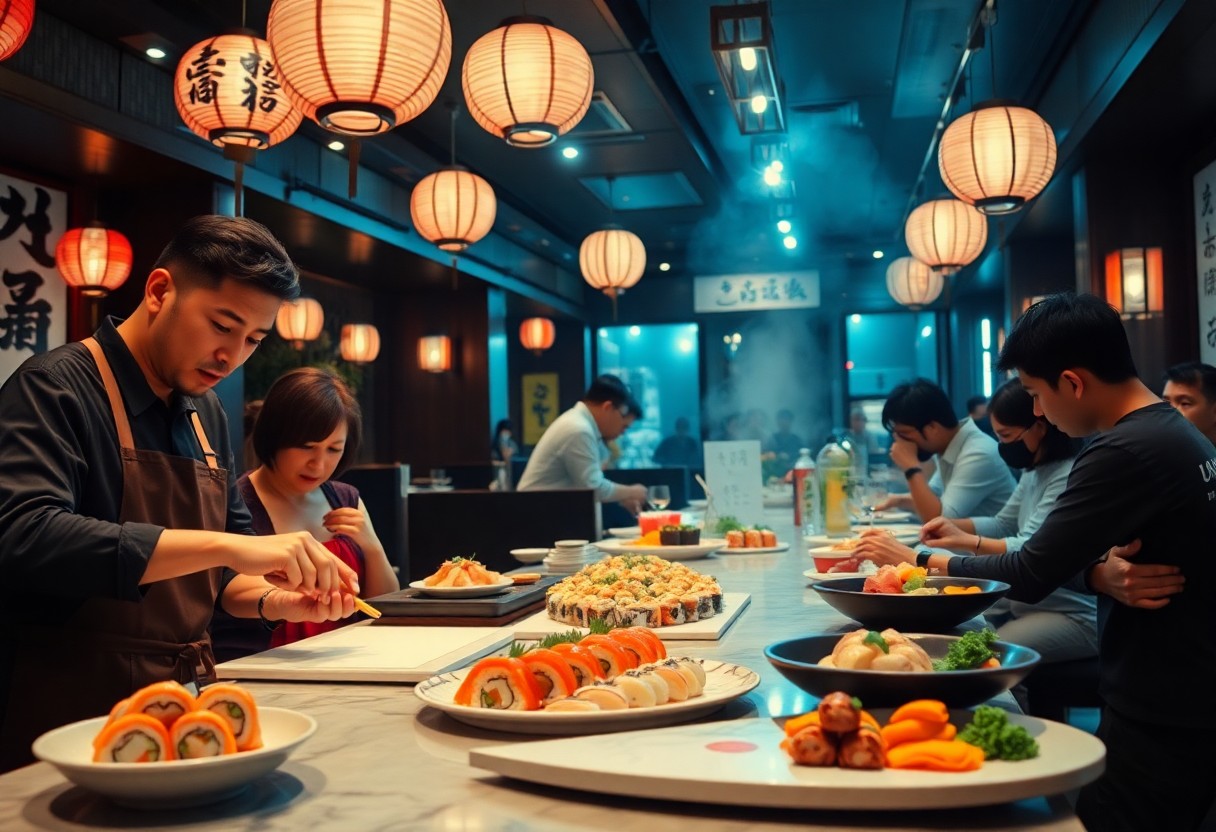
Many of us have ventured into a Japanese restaurant, only to encounter a daunting menu or a sushi chef who exudes professionalism! My numerous mishaps involving misinterpreted menu items, such as the time I mistakenly believed ‘unagi’ to be a fancy green tea, have taught me valuable lessons about selecting the ideal location for your next ramen craving. So, grab your chopsticks and let’s explore how you can enhance your taste experience and prevent the dreaded wasabi incident!
Key Takeaways:
- Location is Key: I once stumbled upon a Japanese restaurant nestled in a back alley, mistakenly believing it to be a hidden treasure. Instead, I was transported to a scene from a horror film. Let’s just say the sushi wasn’t the only thing that was a bit off. A restaurant with good visibility usually indicates a higher patron turnover, which often translates to fresher ingredients!
- Engaging with locals in Singapore is a reliable method to discover hidden culinary gems. I once asked a taxi driver for his recommendation, and he directed me to a place where I swear the chef had trained under a samurai. It’s the kind of place where the sushi rice is so perfectly cooked that it could probably win a dance-off.
- Ambience Matters: Don’t underestimate the power of a positive vibe. I walked into a Japanese restaurant that looked like a living room but with better curtains and a koi pond. I enjoyed my meal so much that I even considered moving into the restaurant, but I realised I might struggle to fit my entire wardrobe in its minimalistic design.
- Check the menu: While sushi is the main attraction, don’t hesitate to explore other options! I tried a multi-course kaiseki once – it felt like a culinary concert. The dishes were harmonising so well, I half-expected them to break into a song, and I almost sang along. Variety is essential, even when it comes to sushi!
- Look for Freshness: If the fish smells like it swam through a garlic farm, it’s best to swim away! Once, I had a piece of sushi that didn’t taste freshly prepared, but rather like it had spent a wild night out. Freshness is paramount in Japanese cuisine – believe me, your taste buds will thank you.
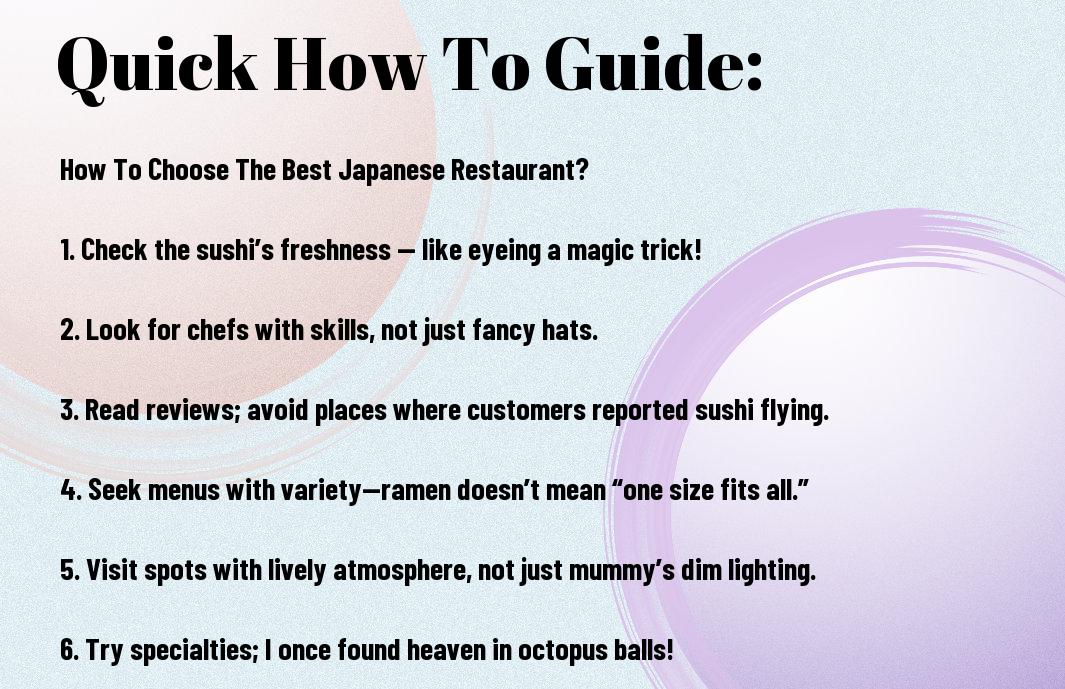
How to Spot Authentic Japanese Cuisine
While wandering through the vibrant streets of Singapore, I often find myself on a mission to discover genuine Japanese cuisine. Trust me, you can tell the real deal from the wannabes with just a whiff of the air—it’s all about the fresh aroma of soy sauce and seaweed, not the smell of desperation! If the beckoning sushi chefs are wielding their knives with finesse, you might just have struck gold!
Look for the Real Ingredients
To truly appreciate authentic Japanese cuisine, I always seek out their genuine ingredients. If I see Tsukuri (sashimi-grade fish), locally sourced wasabi, and artisanal soy sauce, I’m in for a treat! Nothing screams “authentic” more than ingredients that have been carefully selected and are of the highest quality. If it looks like it was plucked right from the ocean (or a pristine garden), you know you’re onto a winner!
Traditional Cooking Methods vs. Fusion Madness
The moment I step into a Japanese restaurant, I tune my culinary radar to detect whether I’m about to experience traditional cooking methods or the latest fusion trend. Japanese chefs often stick to techniques that have been perfected over centuries to showcase the ingredients’ natural flavours. On the other hand, some establishments throw in a sushi burrito or matcha pizza, which can be fun but may leave your taste buds confused. Let’s stick to the classics first, unless you’re feeling adventurous!
Interesting Posts


Japanese cuisine proudly displays its heritage, showcasing techniques that demonstrate centuries of culinary expertise. I do enjoy a cheeky fusion meal now and then, but when it comes to Japanese food, I prefer my sushi to reflect the simplicity and elegance of the tradition. I always prefer a perfectly formed nigiri to a deep-fried sushi taco. Sure, fusion madness can be intriguing, but nothing quite beats the original flavours that transport you to Japan with each bite! When I want a taste of Japan, I often find myself reaching for kaiseki—come for the artistry, stay for the umami explosion!
Japanese Restaurant: Tips for Choosing the Right Atmosphere
If you want your dining experience to be as delightful as your meal, consider the atmosphere of the Japanese restaurant. A perfect ambience can elevate your meal from ordinary to extraordinary. Here are a few tips to guide you:
- Think about the occasion – date night, a friendly catch-up, or a solo sushi feast?
- Consider noise levels – do you prefer soothing melodies or lively chatter?
- Look for traditional decor or contemporary touches that pique your interest.
The ambiance can truly shape your dining experience.
Finding Your Vibe: Casual vs. Fine Dining
There’s a fine line between a casual meal and an extravagant dining experience when it comes to Japanese cuisine. Whether you’re in the mood for a laid-back ramen joint where you can slurp away happily or a refined kaiseki restaurant that makes you feel like royalty, your choice should match your vibe. I distinctly remember that time I wore jeans to a fancy sushi place, and the waiter raised an eyebrow! That was definitely not my best moment.
Check Out the Decor (And the Sushi Rolls!)
Check if the restaurant’s decor resonates with your taste while you peek at the menu. It’s always fun to munch on sushi while soaking up the atmosphere of charming Japanese art or sleek modern design. You don’t want to find yourself in a place that resembles a sushi tornado, right? Trust me; even the prettiest plate of nigiri won’t compensate for an eyesore!
Finding a restaurant that excels in both decor and culinary delights is a true treasure. You might be surprised; sometimes, the most unassuming places serve the best sushi wrapped in a vibrant tapestry of colours or with quirky wall hangings that make you chuckle (like the sushi cat mural I once encountered). Do yourself a favour and ensure that your surroundings match the quality of the food, as both can significantly enhance your dining experience.
Factors to Consider in Menu Selection
Unlike choosing a normal takeout, selecting from a Japanese restaurant’s menu can be a delightful yet overwhelming experience. With a myriad of options, it’s vital to consider the following:
- Authenticity vs. Fusion
- Seasonal Ingredients
- Your Palate’s Adventure Level
- Portion Sizes
Knowing what you’re in the mood for can make navigation a lot easier!
Sushi Rolls: Classic vs. Creative
Menu choices often lead you to the sushi section, where traditional bites like the tuna nigiri sit remarkably next to flamboyant creations like the rainbow roll, which makes me wonder if it was assembled by a unicorn! Embrace the classics if you’re after authenticity, but don’t shy away from those creative rolls that offer a whimsical twist to your meal.
Other Japanese Delights: Ramen, Tempura, and More
Some may overlook the brilliance beyond sushi; yes, I’m talking about ramen and tempura. Dive into a steaming bowl of ramen that wraps around your soul like a warm hug – especially on rainy days – or indulge in crispy tempura that leaves you wondering if ithas ever been more delicious.
Factors to keep in mind include the broth in your ramen, whether you like it rich or clear, and how your crispy tempura should stand up to the dip—whether it’s a light soy sauce or a spicy mayonnaise. Sushi may steal the spotlight, but trust me, exploring ramen and tempura will have your taste buds dancing like they just won the lottery!
Japanese Restaurant: How to Check Reviews Before You Go
It’s important to note that not all reviews are equal, and I’ve personally experienced this firsthand. One sulky diner’s rant about their lukewarm miso soup can’t overshadow a restaurant’s five-star sashimi. I usually scan through multiple platforms, deciphering which reviews have a sprinkle of truth and which ones sound like they’ve come from the depths of sushi hell. It’s crucial to strike a balance; can a place truly be deemed bad if its bento box garners more raves than my pet cat’s Instagram followers?
Trusting Your Dining Companions (or Not)
One of the best parts about dining out with friends is their opinions on what to order. However, I’ve had moments where trusting their tastes felt like a daring examination of the unknown. My friend once insisted on sampling a fusion dish that blended sushi and, surprise!, peanut butter. I couldn’t determine which was more distressing – the mixture or the expression on their faces upon serving! While the company you are with is irreplaceable, perhaps you should let your instincts and online reviews guide your culinary adventures.
The Power of Social Media Snaps
Media platforms can serve as a hidden source of culinary inspiration! Often, I find myself scrolling through Instagram, drooling over beautifully plated sushi and mouthwatering ramen shots, all accompanied by hashtags that could potentially serve as more effective advertising than the restaurants themselves. It’s like choosing a place based on eye candy; if it looks good on the screen, chances are, it tastes even better in real life!
Social media posts provide an interesting perspective on what’s trending, what’s a must-try, and what to avoid unless you’re planning a one-way trip to Flavour Town. I once saw a shot of a rainbow sushi roll that looked like the unicorn of sushi—I couldn’t resist it, and let me tell you, it was an explosion of flavours that very much lived up to its Instagram hype. So next time you’re on social media, don’t just scroll – indulge your senses and plot your next dining adventure!
Tips for Ordering Like a Pro
All you need to do is channel your inner sushi master! Here’s how to elevate your ordering game:
- Familiarise yourself with the menu terms—knowing your nigiri from your sashimi!
- Ask your server for recommendations; they’re usually bursting with secrets.
- Don’t skip on the small plates; they’re often the hidden gems of the menu.
- Don’t hesitate to experiment with different combinations; it’s the culinary equivalent of a cocktail!
Thou shalt order with flair!
Can You Say ‘Omakase’ With Confidence?
While I once fumbled my way through a menu, the coveted word ‘omakase’ rolled off my tongue like it was my second language. Admittedly, only after several online tutorials and numerous visits to sushi bars did my confidence soar. You see, embracing ‘omakase’ means leaving your meal in the capable hands of the chef! I felt like royalty every time I took a seat at the bar and surrendered to the culinary magic ahead.
Pairing Drinks: Sake or Green Tea?
An age-old question that has baffled many: should you go for the delicate charm of green tea or the warm embrace of sake? Depending on your culinary adventure, each option has its merits. Personally, I have found that sake pairs delightfully with sushi, enhancing flavours in ways that green tea simply can’t compete with; though, I must admit, nothing beats a chamomile green tea before submerging in a hearty bowl of ramen!
Drinks significantly influence your dining experience. Sake, with its rich umami flavours and warming sensation, complements delicate sashimi pieces beautifully. Meanwhile, a refreshing glass of green tea can cleanse the palate, especially when I’ve overindulged on sushi rolls. Both options have their charm, and sometimes, I flirt with the idea of sampling both drinks; it’s the best of both worlds! Pick your poison wisely, as the right drink can elevate your Japanese dining adventure from excellent to extraordinary.
How to Engage with the Staff
Now, don’t be shy when it comes to engaging with the staff at your chosen Japanese restaurant. They are usually incredibly knowledgeable and keen to assist, making your dining experience so much better! I’ve discovered that a warm smile and a simple “Konnichiwa!” can significantly enhance your dining experience. If you’re debating between sushi and ramen, just ask! They’ll likely share their favourites, and they might even let you in on some secret menu items. Plus, it’s always nice to show appreciation for their hard work!
The Art of Asking for Recommendations
Staff love sharing their expertise, and trust me, asking for recommendations can lead you to culinary bliss! I often throw out my preferences – maybe I’m in the mood for something spicy or a bit adventurous – and they always have the perfect dish in mind. The last time I asked for something “a little quirky,” I ended up devouring a delicious tuna tataki that left me craving more!
Little Conversations, Big Discoveries!
Asking the staff about their recommendations can sometimes lead to delightful little chats that unveil hidden gems on the menu. I’ve found that a casual conversation about food can lead to shared stories of Japanese culture or ingredient origins. It totally transforms the meal from mere dining to an insightful culinary journey. Just this weekend, I had a lovely tête-à-tête with a waiter who passionately described the history of wasabi. Who knew I was eating centuries of tradition with my sushi?
With each interaction, you might unveil a new favourite dish or a hidden culinary gem! Simply by asking about the best dish to try, I discovered a seasonal delicacy not even listed on the menu. Not only did I get an insider recommendation, but the server also shared a quirky story about the dish’s origin in Japan. So, don’t hesitate to chat; it could turn your meal into a delightful experience filled with surprise and joy!
To wrap up
Following this delightful culinary journey through Japanese cuisine in Singapore, I can honestly say that choosing the right restaurant is all about your taste and mood. Whether I’m craving a simple sushi roll or a sophisticated kaiseki, I consistently seek out fresh ingredients, a welcoming atmosphere, and a unique touch, such as a waiter dressed like a samurai. So, dive in, trust your gut, and don’t forget to order that wasabi with a wink; it’s all in the experience! Enjoy your sushi adventures!
FAQ
Q: How do I know if a Japanese restaurant is authentic?
A: Authenticity can often be found in the details! Take a look at the menu; if it’s packed with items you’ve never heard of, that’s a positive sign! In my experience, stumbling upon a place with a lengthy selection of ramen variations (some with names I couldn’t even begin to pronounce) made me feel like I was on the right track. Additionally, if the staff greets you with a cheerful “Irasshaimase!” and transports you to Tokyo, it’s likely that you’ve found a hidden gem. Be cautious—if the waiter serves you sushi accompanied by chips, it’s definitely not the right place for you!
Q: What should I look for in a sushi chef?
A skilled sushi chef, like a magician, conjures up supremely tasty fish! Look for the tell-tale signs of dedication—like rokushaku (making sushi is an art!). In one delightful sushi experience, the chef had trained for over a decade, effortlessly crafting each piece while sharing cheeky jokes about fishy puns. If the chef is sporting a headband and is clearly as passionate about sushi as my cat is about chasing laser points, you can expect a meal to remember!
Q: Does the atmosphere of the restaurant matter?
A: Absolutely! The ambiance is more than just the décor; it’s part of the whole experience! Picture this: sitting at a beautifully crafted wooden counter, surrounded by bamboo plants and soft ambient lighting, feels like you’re dining inside a friendly sushi dojo! On my last visit, the waitress insisted on showing us the traditional tea ceremony, which turned into an impromptu tasting session involving an unexpected matcha-flavoured dessert that tasted better than winning the lottery ( in my humble opinion)! If a place makes you feel comfortable enough to stay longer than you intended, you know you’re onto a winner.
Q: What drinks should I pair with my meal?
A: Pairing drinks with Japanese cuisine can be as delightful as a sneaky sip of sake! A cold Asahi or a refreshing Japanese plum wine can elevate your dining experience wonderfully. On one occasion, I dared to try some unfiltered sake, which turned out to be a bit like swimming without floaties—quite the experience! If you’re interested in trying something more exotic, I once had a fermented rice drink that tasted suspiciously like dessert and left me feeling euphoric. Ask the staff for their recommendations; they often have some fantastic options available!
Q: How do I navigate the menu if I’m a novice at Japanese cuisine?
If you’re intimidated by the prospect of deciphering hieroglyphics when reading the menu, don’t worry! Many restaurants provide pictures alongside their delicious offerings. During my first visit to a proper izakaya, I confidently ordered something that looked like a charming little seafood bundle, only to find out it was deep-fried octopus! Unsurprisingly for a land-dweller like me, I loved it! If you’re stuck, don’t hesitate to ask your server for recommendations; it’ll usually lead to a delightfully unexpected adventure, just as long as you’re up for trying something that might come with tentacles!