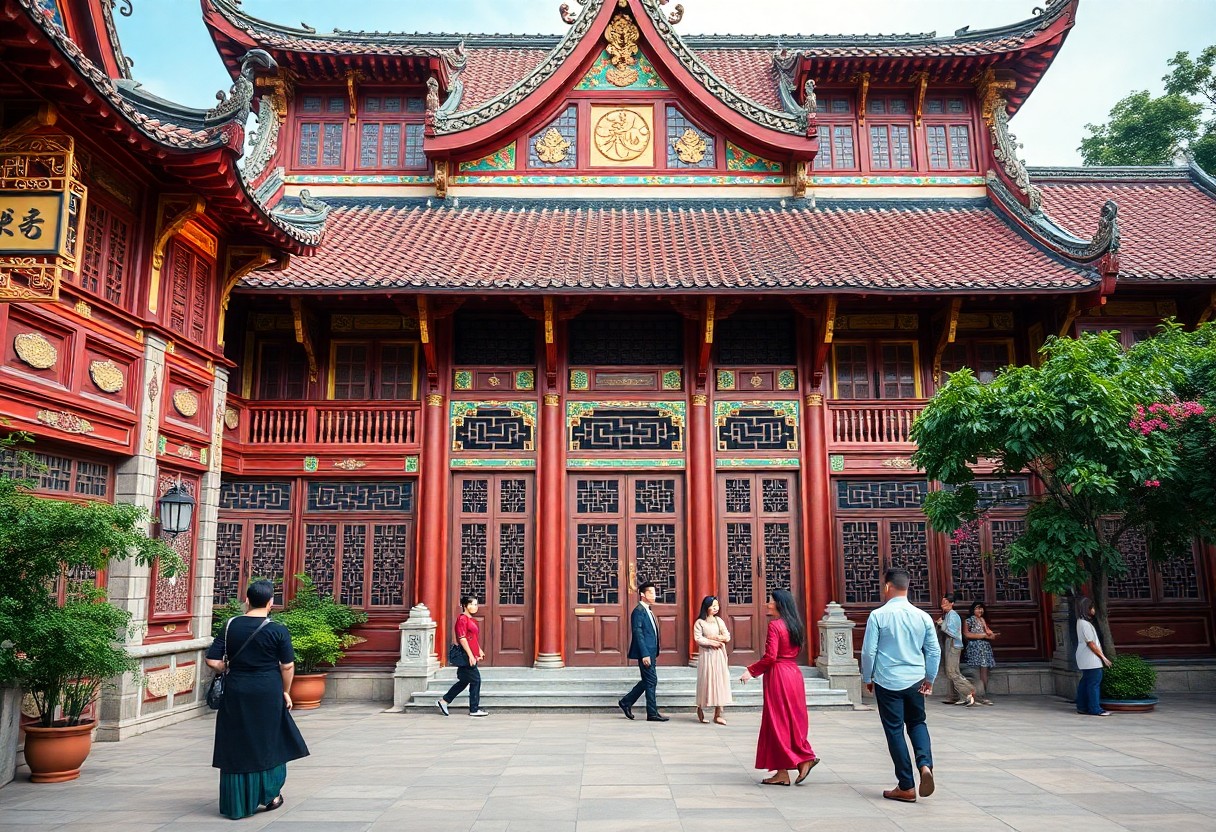
Museum visits can, at times, feel like a glorified game of hide-and-seek, but the Peranakan Museum had me giggling, especially when I stumbled upon a display showcasing their rather exotic, intricately beaded slippers, called “kasut Manek”. Let’s just say my attempt to walk in them was far from elegant—more slapstick comedy than cultural immersion! From the vibrant textiles to the delightful stories of the Peranakan culture, I found myself learning and chuckling at my clumsiness. Join me as I explore more of this undiscovered treasure in Singapore!
A Journey Through Time: My First Encounter with the Peranakan Museum
As I stepped into the Peranakan Museum, the air was thick with nostalgia, and the scent of spices wafted through the exhibits, reminiscent of my grandmother’s kitchen. The vibrant colours of the textiles grabbed my attention instantly – there was a kebaya so strikingly yellow that it nearly blinded me! I couldn’t help but chuckle as I imagined my attempts at wearing something so delicate; I’d probably spill curry all over it within seconds. As I strolled through the museum, I came across intricate ceramics that evoked a sense of royalty, even though I’m still awaiting my invitation to a Peranakan banquet. I’ll get there one day, possibly armed with a napkin bib! Each display delved deeper into the culture and heritage of the Peranakans, providing me with both entertainment and education in equal measure.
Key Takeaways:
- Revel in the intricate craftsmanship of Peranakan culture. Encountering the stunning beaded shoes is like finding out the Queen wears Crocs – utterly delightful yet unexpected! Take part in experience.
- o the gastronomic fusion of Peranakan food. Sampling Nasi Kandar was like a flavour explosion in my mouth – one minute it was a mild tickle, the next a spicy fiesta that had me guzzling water like a fish out of water!
- Explore the unique fashion and textiles. Walking through the museum felt like being on a fashion runway, albeit with less strutting and more dodgy footwork trying to impress the mannequins in their stunning kebayas.
- Get lost in the tales of heritage, and the exhibits’ captivating stories made me forget I had a lunch appointment with a friend. unch – oops! Sorry, Dave!
- Engage with the interactive exhibits. Attempting to master the art of Peranakan dance was a right laugh. I may have looked more like a confused giraffe than a graceful dancer, but at least it brought some cheer to the crowd!
Unveiling the Vibrancy of Peranakan Culture
The Peranakan culture is a dazzling tapestry, woven with rich traditions, lively colours, and unique practices. As I strolled through the museum, I became immersed in the perfumed scents of spices and the vibrant hues of traditional textiles, which seemed to beckon me to join in the celebrations of life that are integral to this heritage. The exhibits resonate with lively musical rhythms, evoking a sense of the past pulsating vibrantly in the present.
A Walk Through Time: Architectural Gems and Traditional Outfits
Sneaking a peek at the architectural marvels showcased in the museum, I couldn’t help but feel transported to a different era. Each structure tells a tale, from the intricate details of wooden carvings to the colourful toiles that adorn the walls. As I admired the vibrant kebaya, I pictured my wardrobe tragically missing such stylish flair. Honestly, if my outfits had half the sass of a Peranakan dress, I might finally nail that ‘effortlessly chic’ look instead of resembling a day-old baguette!
Tasting History: Culinary Delights that Tickled My Taste Buds
Diving into the culinary wonders of the Peranakan culture was nothing short of revelatory. Every bite felt like a journey as I indulged in dishes bursting with layers of flavour. The spicy, aromatic laksa and the fragrant rendang left me yearning for more. Dish after dish, my palate was treated to a delightful rollercoaster that undeniably tickled my taste buds!
Interesting Posts


The museum’s culinary experience was truly enlightening. One dish that I couldn’t get enough of was the iconic chicken curry, so rich in flavour that it made my taste buds do a little happy dance. Each forkful was a reminder that food is not just sustenance; it’s an expression of culture and love. The spicy sambal that accompanied the dishes had me reaching for a glass of water, but hey, that only added to the excitement! Discovering the history behind these recipes was an incredible journey, turning me from an everyday diner into a gastronomic explorer, all in the name of delicious food. I am eager to attempt some of the recipes—if I can prepare a decent dish, I could potentially win my own Peranakan culinary title!
Peranakan Museum: Unveiling the Art of Peranakan Craftsmanship
The Peranakan culture is a splendid tapestry woven from threads of tradition and creativity, and the craftsmanship showcased here is nothing short of remarkable. From the exquisite embroidery on garments to the stunning beaded slippers adorned with intricate designs, each piece tells a story of generations past. As I marvelled at the displays, I couldn’t help but feel an urge to try my hand at crafting something similar—spoiler alert, my attempt at making a beaded slipper ended up looking more like a flat pancake than a fashionable foot accessory!
The Intricacies of Beadwork: Beauty and Bespoke
As I delved deeper into the art of beadwork, I realised that every bead conveys a unique story, from the selection of colours to the formation of patterns. The incredible patience and skill required to string together thousands of tiny beads is truly remarkable. As I inspected one particularly intricate pair of slippers, I thought to myself, “If only I had this kind of dedication to my sock drawer!”
The Culinary Treasures: Sampling Nyonya Delights (and Trying Not to Spill)
The culinary wonders of the Peranakan heritage are, quite frankly, a feast I gladly indulged in. The Nyonya dishes left me positively giddy, although I did have a minor incident with a rather slippery spoon—let’s just say my shirt bears a testament to my love for laksa. Nevertheless, exploring the flavours of this cuisine makes every bite worthwhile.
Diving into the culinary treasures of Nyonya delights truly set my taste buds on an adventurous rollercoaster. I sampled everything from the pungent but delightful assam laksa, which packs a tangy punch, to the comfortingly rich kueh lapis, a multi-layered cake that is a feast for both the eyes and the palate. As I savoured each mouthful, I immersed myself in a tantalisingly chaotic mission of spices, coconut cream, and the constant challenge of avoiding crumbs on my chin. Indeed, the dangers of indulging in Nyonya delights are numerous, yet each splash of curry only contributed to the amusing narrative I found myself sharing at dinner parties! Who doesn’t adore a good tale of culinary mishaps?
Encountering the Quirky Myths and Folklore of the Peranakan
Once you step into the Peranakan Museum, you’re immediately swept into a world where culture meets whimsy. The myths and folklore surrounding the Peranakan community are a delightful mix of humour and moral lessons. From vengeful spirits lurking in kitchens to cheeky mythical beings that could pop up in a rice pot, it’s a treasure trove of stories that brings the rich heritage of the Peranakan people to life. As you explore the museum’s captivating exhibits, you can’t resist chuckling at the antics of these legendary characters.
The Hilarious Legends That Bring Heritage to Life
The Peranakan legends embody a delightful blend of cultural traditions and caution. One such legend involves “Pontianak”, a spirit that’s said to roam under trees, searching for her lost child. While the idea of a ghostly figure sending fright through unsuspecting passers-by is eerie, locals often joke that her haunting shriek is just her lamenting over bad hair days. The hilarity lies in the fact that many consider her a fashion icon gone wrong!
Peranakan Museum: The Mythical Creatures I Almost Believed Were Real
As I delved deeper into the Peranakan stories, the allure of mythical creatures captivated me. At one point, I was convinced that “Hantu Tetek”, a spirit known for her rather unfortunate appendage, might just appear in my apartment if I didn’t keep my kitchen tidy. I recall one particularly raucous dinner party where I dramatically warned my guests to keep their plates clean or risk a visit from her. The laughter that erupted was worth the teasing I received afterwards!
Reflecting on that dinner party brings back fond memories of my friends’ reactions upon hearing the legend for the first time. Picture a group of incredulous faces, half of them convinced they’d been living too close to a Hantu Tetek haunt. I took the opportunity to regale them with tales of her frivolities and possible dress choices, which inexplicably turned into a discussion about whether she’d be more of a designer or a disaster in the fashion realm. The blend of laughter and cultural education made that night one for the books, solidifying my fondness for the quirky myths of the Peranakan community. Who knew folklore could lead to such lively banter?
Peranakan Museum: A Dance with Ancestors
As I wandered through the museum, it felt like the ancestors were winking at me from their ornate frames. Each display showcased a glorious past, inviting me to participate in their joyous dances of heritage. Imagine being transported to a Peranakan wedding feast with laughter echoing and vibrant colours swirling around—that’s the captivating allure of the stories woven into the museum’s displays.
Reliving the Past: Artefacts that Whisper Secrets
Each artefact I encountered felt like a time traveller sharing secrets from the past. The beautifully handcrafted items revealed the Peranakan’s penchant for exquisite craftsmanship, from delicate porcelain to intricately woven textiles. One particular item, a strikingly colourful kebaya, drew me in like a moth to a flame, making me ponder the stories it held—perhaps it once adorned a bride on her wedding day or was worn during lively gatherings filled with music and dancing.
Comedic Confessions: When I Mistook an Heirloom for a Modern Gadget
Oh, the sheer embarrassment when I mistook a vintage Peranakan spoon for one of those fancy modern utensils! I almost attempted to connect it to my phone for a ‘cooking app’ sync. It was a classic case of ‘what’s old is new again’, but not quite in the way I imagined. The glint of intrigue and a rush of embarrassment surged through me as I realised that sometimes, cultural relics can take you down a path of confusion – and a good laugh.
When I picked up the gleaming silver spoon, I noted its peculiar design and thought I had stumbled onto the latest kitchen must-have. I even enquired from a fellow visitor—genuinely convinced—if it was a newfangled tool specifically designed for TikTok cooking videos. I noticed their bemused expression as they gently informed me that it was an heirloom from the Peranakan culture, which made me laugh even harder! Well, let’s just say my cooking skills could definitely use some of that ancestral wisdom.
Discovering the Artistic Expression in Peranakan Crafts
Peranakan crafts captivate the senses with their intricate designs. Each bead, stitch, and piece of pottery tells a story woven into the cultural fabric of the Peranakan community. From the ornate wood carvings to the enchanting textiles, I’ve found that every item invites you to appreciate not just its beauty but the deep-rooted traditions behind it. These crafts embody a creative expression that is both joyful and profound, offering a glimpse into the skilled hands of artisans who have kept these practices alive.
Beads, Textiles, and the Art of Kueh-Making: A Hands-on Experience
Diving into the world of Peranakan crafts, I uncovered my inner artisan—sort of! I eagerly signed up for a workshop that promised to teach me the delicate art of beadwork, textiles, and, most enticingly, kueh-making. Armed with a mix of enthusiasm and a dubious level of skill, I found myself surrounded by brilliantly coloured beads and a bunch of somewhat intimidating sewing tools. The moment I attempted to string my first bead, I knew I was in over my head, but oh, the joy of creating something, even if it looked like a lopsided alien artefact!
How I Turned My Kitchen into a Mini Peranakan Workshop (With Comedic Results)
Picture this: flour flying everywhere, neon beads rolling around like they were in some surreal game of marbles, and I, your humble narrator, completely out of my depth. I took a day off work, determined to recreate the magical delights of kueh, but instead, my kitchen transformed into a chaotic masterpiece. I managed to mix up the ingredients so badly that what was meant to be glistening kueh lapis turned into a sticky puddle resembling something that could double as a science experiment.
On that fateful day, you could say my kitchen skills were tested to their limit! I nervously followed the recipe but somehow found myself measuring sugar with a heaped tablespoon instead of a teaspoon—guilty as charged! Upon finally extracting the “kueh” from the steaming pot, I was greeted by a beautiful hue reminiscent of a unicorn’s sneeze. My friends arrived eagerly expecting treats, and while my pride sank, at least we had a great laugh imagining how we might market my new creation: ‘Puddle Kueh: the delicacy of the future!’ Lesson learnt: never trust a recipe if you’re more interested in the end result than the method! The adventure left me with a new respect for Peranakan chefs (and a handful of pretty beads that I did manage to string together—but that’s another story for another day!).
The Impact of Culture: How Peranakan Heritage Shapes Modern Singapore
The Peranakan culture plays a vital role in shaping the unique identity of modern Singapore, blending Malay and Chinese traditions into a vibrant tapestry that reflects both historical roots and contemporary life. This colourful heritage can be seen in everything, from the architecture, like the iconic shophouses, to festive celebrations, which showcase how the Peranakan spirit thrives in society today. Take a stroll around Tiong Bahru during the annual Peranakan Festival, where you can indulge in the famed Kueh Lapis and experience the unmistakable buzz of cultural pride—it’s a sensory feast!
Blending Traditions: Fusion Cuisine and Fashion Faux Pas
Cuisine serves as one of the most delicious examples of how Peranakan culture blends traditions, featuring dishes like Ayam Buah Keluak that tantalise palates worldwide. However, this delightful fusion is not without its mishaps, such as the time I mistakenly thought a gorgeous Nyonya blouse would pair perfectly with my jeans! Let’s just say that fashion faux pas turned heads, and not in a good way.
Peranakan Museum: Navigating Identity with Style
Navigating identity as a modern-day Peranakan often feels like a balancing act between tradition and contemporary influences. While I revel in donning kebayas for special occasions, I also embrace the modern streetwear trends. Everyone’s searching for that sweet spot where history meets stylish comfort, and let’s be honest, who wouldn’t want a kebaya that pairs beautifully with their latest trainers?
In today’s fast-paced world, many of us young Peranakans are exploring how to present our heritage while embracing global trends. I often find myself incorporating traditional fabrics into modern outfits, reminding my peers that our culture is not just something to admire in museums but a living, breathing part of our identities. Whether I’m at a hip café or a cultural event, my kebaya consistently exudes a contemporary flair, demonstrating our ability to honour our past while asserting our presence in the present.
Peranakan Museum: A Journey Beyond Traditional Displays
The Peranakan Museum truly redefines the gallery experience by merging storytelling with cultural education. The carefully designed sections entice visitors into hands-on exploration with innovative layouts that highlight the quirky and fascinating aspects of Peranakan life. Wandering through the vibrant exhibitions, one can’t help but be captivated by the way the artefacts are entwined with local history, as if they are inviting us to join in an age-old tale that is both entertaining and educational.
Interactive Features that Kept Even My Distracted Friends Engaged
You know you’re onto a winner when you manage to drag your notoriously hard-to-please mates out of their social media rabbit holes. At the Peranakan Museum, I found them laughing and grabbing at interactive displays featuring food pictures and quizzes. It was fascinating to observe my friends passionately debating the correct method for folding a traditional kebaya – it’s surprising that fabric techniques could elicit such intense discussions.
Funny Mishaps: Misunderstanding the Artefacts and Making New Friends
Mixed-up details were aplenty, as we collectively misinterpreted a decorative opium weighing scale for a rather elaborate tea set. The ensuing banter about “the Peranakan way of afternoon tea” ensued until a friendly curator intervened to clarify the situation. That minor educational hiccup turned into an unexpected bonding moment for us, and we forged a lovely friendship with her, complete with a promise to return for one of the museum’s community events.
In fact, that mishap just became the beginning of our unstoppable laughter at the museum. One of my friends, convinced they’d found the Peranakan equivalent of a “kitchen gadget”, cheekily presented a beautiful Guess-Ketam pot as a new-age cooking appliance, leaving us unable to contain our laughter. Who could have predicted the Peranakan twist on pesto? Imagine the confusion and laughter that followed as we attempted to recreate the supposed recipe, only for the kind curator to set us right again. Our new connection with museum staff made our visit even more delightful, as we became part of the lively Peranakan family – just maybe a little less accomplished in their craft!
Off the Beaten Path: Hidden Gems Within the Museum
Behind the main exhibits of the Peranakan Museum, there are a few hidden gems that truly dazzle. Tucked in the corners are captivating artefacts and immersive displays that tell stories waiting to be discovered. Peeking into these lesser-known sections, you’ll find yourself transported to a world steeped in culture and heritage, bearing the whispers of a rich past. These hidden gems are the ideal spots to grab a quiet moment, perhaps to catch your breath or to contemplate life while surrounded by beauty and history—just don’t forget to look out for the occasional stray cat that thinks it’s the museum’s unofficial guide!
The Secret Courtyards: Where History Meets Ser
In the heart of the museum, the secret courtyards present a delightful escape from the bustling exhibits. Stepping out into these serene spaces, I felt like an explorer unearthing treasures hidden away from prying eyes. Each courtyard boasts lush greenery and stunning architecture, perfect for a contemplative moment or impromptu photo opportunity. I once sat on a bench, coffee in hand, sharing a laugh with a passerby about how these courtyards would make ideal spots to hide from a grouchy spouse—for the record, the benches are far less forgiving than they look!
Inside Jokes: Humorous Encounters with Fellow Visitors
You never know what humorous situations might arise when you find yourself wandering through a museum alongside fellow intrepid explorers. I recall one particular afternoon when an elderly gentleman approached me, deadpan serious, and said, “I thought Peranakan was a trendy new café!” The stuffy atmosphere suddenly lifted as we burst into laughter, transforming this timeless museum into a backdrop for our shared jest. Who knew that between the blue and white porcelain and intricately woven textiles, we’d discover the true essence of modern-day camaraderie?
Those little moments with fellow visitors often create the most memorable experiences. I once watched a couple misunderstand an exhibit label, mistaking an elaborate kebaya for a fancy housecoat. The ensuing debate about whether they could pull it off at Sunday brunch had me captivated. Here we were, surrounded by rich cultural heritage and history, yet it was the conversations and laughter among us that truly brought the place to life. We quickly learnt that being silly can be just as educational, as long as you keep the nearby security guards happily entertained!
Peranakan Museum: How They Shaped Singaporean Identity
The Peranakan community has left a vibrant legacy in Singapore, beautifully intertwining elements of Malay and Chinese cultures. Their unique traditions, languages, and culinary delights contribute significantly to the rich tapestry of Singaporean identity. From the striking attire of Kebaya to the sumptuous flavours of Nyonya cuisine, the Peranakan people have created a dynamic cultural fusion that resonates deeply with the nation. Festivals, architectural styles, and, dare I say, the obsession with prata still bear witness to their influence today!
Cultural Influence That’s Still Present Today
The Peranakan culture is a living testament to the vibrancy of Singaporean society. The cultural influence is evident in everything from the delicious dishes such as Ayam Buah Keluak to the vibrant colours adorning traditional batik fabrics. I often find myself indulging in a plate of laksa, visualising the rich history behind every spoonful. Moreover, the enduring presence of Peranakan festivals, such as the Nyonya Peranakan Festival, showcases a celebration of identity that unites all of us under a banner of diversity and shared heritage.
My Humorous Misadventures in Trying to Embrace the Peranakan Spirit
Exploring the Peranakan spirit was both enlightening and, let’s say, rather entertaining. Picture this: I fancied myself a culinary genius after attempting to whip up a traditional Nyonya meal. Equipped only with a recipe and a slight sense of arrogance, I found myself engulfed in shrimp paste, questioning my life choices midway through the chaos. Despite the chaotic appearance of my kitchen and the apprehension of my dinner guests due to the distinct scent in the air, I discovered that although I may not be the next MasterChef, the essence of Peranakan culture is deeply ingrained in my heart, and my attempts certainly elicit a delightful chuckle.
Despite the clumsiness of my Nyonya cooking venture, the experience was a treasure trove of laughs and learning. Who knew that preparing laksa could result in the kitchen being nearly flooded with coconut milk? Positively, I’ve now honed my skills in ordering takeout and entertaining friends with the captivating stories of my culinary missteps. If anything, my misadventures have cultivated a hearty appreciation for the true masters of Peranakan cuisine, and I now approach every dining experience with a newfound respect (and less willingness to replicate it). So, if you ever catch a whiff of something peculiar on the streets of Singapore, it might just be my final attempt at cooking—just don’t come in expecting a Michelin star experience!
Summing up
Currently, I must say that my visit to the Peranakan Museum was akin to discovering a wealth of stories, akin to those found at your eccentric aunt’s home. Every corner of the museum had a big personality, from the vibrant kebayas that made me jealous of their impeccable style to the intricate porcelain that nearly caused a mishap when I accidentally knocked over a replica. The quirky exhibits and humorous anecdotes about Peranakan life evoke laughter, akin to an entertaining family reunion without the awkward questions about when I’ll settle down! I thoroughly enjoyed every quirky detail and learning about this unique heritage.
FAQ
Q: What exactly is the Peranakan culture, and why should I care about it?
A: Ah, the Peranakan culture! It’s a delightful fusion of Chinese, Malay, and Indonesian influences—crucially, the cultural equivalent of a delicious curry laksa. Imagine intricate embroidery, colourful tiles, and mouthwatering cuisine! You should care because stepping into this culture is like taking a waltz through history with an excellent sense of style. Plus, where else can you enjoy a lovely meal while admiring some snazzy beaded slippers? Just make sure you don’t drool on them!
Q: What can I expect when visiting the Peranakan Museum?
A visit to the Peranakan Museum is akin to discovering a wealth of historical artefacts, but instead of gold coins, you’ll encounter exquisitely curated displays of Peranakan artefacts. Expect to be amazed by the vibrant costumes, exquisite pottery, and the odd collection of wedding cakes made to look like art. I remember thinking I could recreate one of those cakes at home—unfortunately, my baking skills are closer to a ‘bake-off disaster’ than ‘MasterChef’. Believe me, the museum is a visual delight!
Q: Is the Peranakan Museum suitable for children?
A: Absolutely! The Peranakan Museum is like the Disney World of cultural education for kids. There’s plenty to see, and the colourful exhibits will entertain curious little minds. I took my niece once, and she was convinced the ornate furniture was a secret hideout for fairies. We spent an entire hour pretending to hunt for fairy treasures. Just a word of advice, though—don’t let them touch anything! The fairies might not appreciate your children’s enthusiasm for their artefacts.
Q: Are there any guided tours offered at the museum?
A: Yes, there are guided tours that can add a sprinkle of storytelling magic to your visit. I once joined a tour led by a wonderfully eccentric guide who not only knew everything about the exhibits but could also impersonate a Peranakan grandmother! The stories about culinary secrets and family traditions kept us captivated. Just don’t challenge them to a trivia contest unless you’re prepared for some heavy-duty knowledge—all in good fun, of course. You might leave the museum more knowledgeable and with a serious craving for delicious food!
Q: What about food? Can I enjoy some Peranakan cuisine at the museum?
A: While the museum doesn’t serve meals, fear not! It’s positioned conveniently close to delightful eateries serving scrumptious Peranakan dishes. After my visit, I ventured into a nearby café that specialised in “Chendol”, a dessert as refreshing as a cold shower on a hot day. I mistakenly believed I had ordered a “light snack”, but the bowl was truly an abundance of deliciousness! Pro tip: always wear a bib or risk becoming a walking advertisement for the dessert. But trust me, you won’t mind, not one bit!