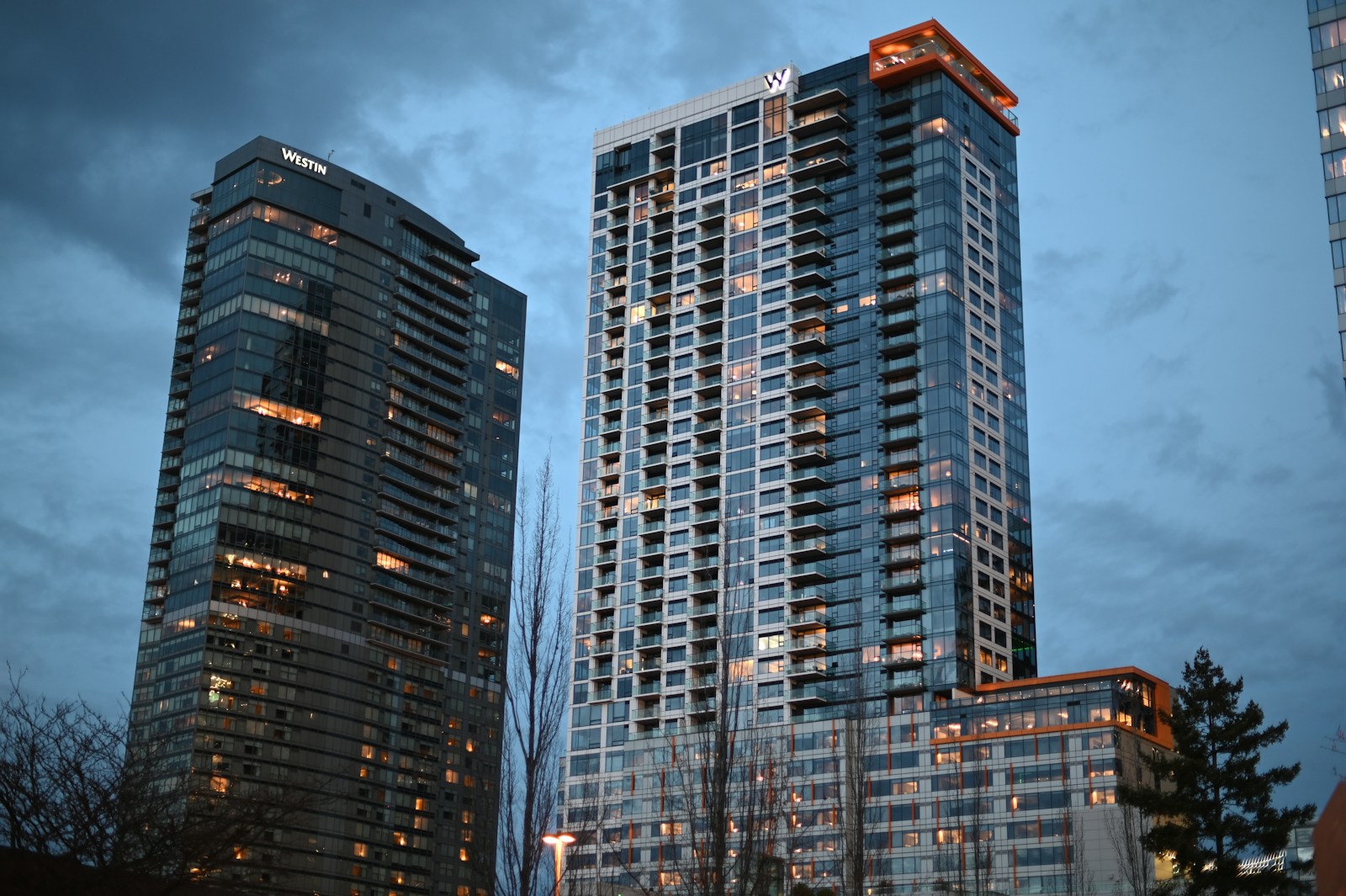
You might be pondering whether to invest in a resale HDB or a condo, and I can share my journey with you. When I bought my first property, I opted for a resale HDB, primarily due to its affordability at $350,000, versus the steep $700,000 price tag of nearby condos. While the HDB offered more space, the condo boasted better amenities. Each choice has its pros and cons, and my experiences can shed light on your decision-making process.
When considering the purchase of a property, you may find yourself weighing the options between a resale HDB and a condo. Both choices have their own sets of risks and rewards, influenced by your personal circumstances, financial situation, and lifestyle desires. Over the years, I have navigated through a similar decision-making process, leading me to gather valuable insights.
Evaluating Resale HDB vs. Condo: Personal Experiences
As a first-time buyer several years ago, I firmly committed to investing in my own space. I had the option of purchasing a resale HDB flat or a condo. After thorough research and personal experiences, I realised there were significant factors to consider for both. 1. Affordability and Initial Costs: -When I looked at the resale HDB market, I found prices were often more budget-friendly compared to condos. For example, a resold HDB flat in my preferred neighbourhood was listed at $450,000, while similar-sized condos cost around $800,000.
The initial costs for owning a condo can also include additional expenses such as maintenance fees, which can impact your budget significantly. 2. Value Appreciation: After purchasing my resale HDB, I learnt that, while HDBs generally appreciate over time, their rate of growth sometimes lags behind that of condominiums. Choosing a resale HDB flat in a developing area, I saw an appreciation of around 20% over five years. In contrast, friends who invested in condos in prime locations experienced an average growth of around 30%.
Interesting Posts


This highlighted the importance of location and market trends in property appreciation. 3. Lifestyle and Amenities: -My experience with a resale HDB showed that while the flat had basic amenities, the absence of luxurious facilities can become a consideration for many buyers. Condos typically offer pools, gyms, and security, which can enhance the living experience but also come with higher maintenance fees. I found that it ultimately depends on your lifestyle preferences; for instance, while I enjoyed the community-centric vibe of my HDB estate, some of my friends prioritised access to upscale living and the amenities provided by condos.
Key Takeaways:
- Affordability is a significant factor. Resale HDBs often come at a lower price point compared to condos, but be mindful of additional costs associated with each.
- Location and market trends play necessary roles in property value appreciation, making it crucial to research them before finalising a purchase.
- Consider your lifestyle preferences when choosing between a resale HDB and a condo, as each offers distinct benefits and drawbacks.
In closing, making the right choice between a resale HDB and a condo requires careful consideration of your financial situation, lifestyle, and future goals. My experiences have taught me that no option is inherently “risky”, but rather, it depends on how well you understand your needs in the property market.
Should I Buy A Resale HDB Or a condo? The Economic Landscape of Resale HDB and Condo Markets
Government policies, market demand, and demographic changes shape the economic landscape surrounding resale HDB and condo markets. In my experience, I’ve observed how these elements can significantly influence property values and buyers’ decisions, making it important for potential homeowners to stay informed about the current climate.
Current Market Trends and Influences
When I last examined the market, there was a noticeable trend towards HDB prices stabilising while condo prices fluctuated. Demand for HDBs remained strong due to their affordability, especially among first-time buyers. Condos, on the other hand, have seen more speculative investments, with buyers often drawn to luxury features but facing the risk of oversupply in certain areas.
Historical Price Comparisons: HDB vs. Condo
Historically, I found that HDB prices have steadily appreciated, albeit at a slower rate compared to condos. For instance, between 2010 and 2020, the average resale HDB price rose from $400,000 to $500,000, while condominiums saw their values jump from $800,000 to over $1,200,000. This disparity illustrates how the market dynamics of these two property types differ in the long term.
Table: Historical Price Trends
| Year | Average Price (HDB/Condo) |
|---|---|
| 2010 | $400,000 / $800,000 |
| 2015 | $450,000 / $1,000,000 |
| 2020 | $500,000 / $1,200,000 |
The disparity in these historical price comparisons reveals significant insights into the stability and potential return on investment for HDBs versus condos. While HDBs tend to be a safer choice for buyers seeking long-term security with predictable appreciation, condos may appeal to those looking for luxury and modern amenities at higher risks of price volatility. Thus, understanding these historical trends is vital for making an informed decision on your investment strategy.
Table: Investment Considerations
| Property Type | Considerations |
|---|---|
| Resale HDB | Stable price trends are better for long-term residents |
| Condominium | Higher potential returns, greater price fluctuation |
Should I Buy A Resale HDB Or a condo? The Hidden Costs of Purchasing a Resale Property
Acquiring a resale property can often come with unforeseen expenses that significantly inflate your overall budget. Aside from the purchase price, you might find yourself grappling with unexpected costs like legal fees, renovation expenses, and even the need for immediate repairs. For instance, I was taken aback when my inspection revealed that my chosen flat required a complete rewiring, an expense I hadn’t factored into my initial calculations. Knowing these hidden costs beforehand can save you from financial strain later on.
Beyond the Sticker Price: Maintenance and Upkeep
When I purchased my first resale property, I underestimated the ongoing maintenance costs that would follow. Beyond the sticker price, regular upkeep can be a hidden drain on your finances. For instance, the older the building, the more likely you’ll face larger expenses such as plumbing issues or roof repairs. In my case, within just a year, I had to spend around $2,500 on crucial repairs that I hadn’t anticipated.
Financial Pitfalls: Taxes, Fees, and Other Surprises
Buying a resale property isn’t just about the initial purchase. Various taxes and fees may surprise you. For example, stamp duty can be a hefty amount, often running into thousands of dollars, depending on the property’s value. I remember facing a bill of $22,000 just for stamp duty on my flat! Navigating these financial pitfalls requires thorough research and careful budgeting to avoid the sting of unexpected charges.
In addition to stamp duty, I was surprised to learn about the additional costs associated with securing a mortgage, including valuation fees and loan registration fees. These can add another $1,000 or so to your overall expenditure. Plus, there are potential fees for property surveys, which can vary based on the surveyor you choose. It’s wise to have a comprehensive breakdown of all possible fees before committing, as they can quickly add up and impact your long-term financial plans.
Emotional Considerations: The Human Factor in Property Decisions
Choosing between a resale HDB and a condo involves not just financial calculations but also emotional factors that can sway your decision. Attachment to a home often stems from memories, neighbourhood familiarity, and a sense of belonging, which might outweigh the rational aspects of price or investment potential. Understanding your emotional ties and the lifestyle you seek can significantly enhance your satisfaction with your property purchase.
Nostalgia vs. Practicality: My Personal Buying Experience
When I was considering my first home, nostalgia played a significant role in my decision. I grew up in an HDB flat that was rich in memories, making it difficult to overlook the resale options in familiar neighbourhoods. Nevertheless, I also understood that practicality was crucial in my choice. Ultimately, I chose a resale HDB, not just for the emotional connection, but because it offered ample space for my family at a reasonable price of $550,000, which fit my budget and lifestyle perfectly.
Community and Lifestyle: The Intangible Benefits
The sense of community that comes with a resale HDB was one of the most compelling reasons for my choice. My HDB neighbourhood surrounded me with friends and families who had lived there for generations. I found that shared communal spaces, such as playgrounds and hawker centres, fostered a tight-knit community spirit. This was something I valued deeply, as it created a sense of belonging that’s often less tangible in the more transient condo lifestyle.
In turning my focus towards community and lifestyle, I discovered that the intangible benefits of living in a resale HDB went beyond mere convenience. The warmth of neighbourly interactions, community festivals, and local events added depth to my living experience. I still recall attending block parties and how they facilitated connections while encouraging a genuine sense of safety and familiarity. Even now, years into the experience, the supportive network I gained in my HDB life has proven invaluable, underpinning my everyday joy and satisfaction in my living environment.
Risk Assessment: Evaluating Your Investment Strategy
Assessing risk is an integral part of your property investment strategy. I tend to analyse factors such as location, market trends, and potential yields. For instance, looking at neighbourhood developments or infrastructure changes allows me to gauge their future value. Additionally, understanding your personal risk tolerance is pivotal; I often reflect on how much financial strain I’m willing to accept in the event of market downturns. This comprehensive evaluation assists in making informed decisions about whether to buy a resale HDB or a condo.
Long-Term vs. Short-Term Investment Perspectives
Choosing a long-term or short-term strategy shapes your investment returns significantly. Personally, I favour long-term investments due to the property market’s tendency to appreciate over time. For instance, when I bought my first condo in 2018, I projected a 10% growth over five years. That kind of forecast often outweighs the allure of quick gains, especially in a volatile market.
The Role of Market Volatility in Decision-Making
Market volatility should influence your decision-making process. I’ve experienced fluctuations that have impacted pricing, like the rise in demand during the recent pandemic. Properties that seemed viable at first glance fell short due to unexpected changes in the market. I learnt that staying attuned to local sales prices and demand fluctuations can help pivot my strategy, whether it’s holding off on purchases or negotiating better deals.
In my view, market volatility poses both risks and opportunities for property investors. For example, when there was a sharp drop in property values during the economic downturn of 2020, savvy investors who recognised the potential for recovery later capitalised on lower acquisitions. They managed to flip properties at substantial profits as the market rebounded, proving that understanding these cycles can lead to lucrative outcomes. Adapting to these fluctuations has helped me remember that knowledge and timing are everything in real estate investment.
Should I Buy A Resale HDB Or a condo? Risky? | Practical Steps for Prospective Buyers
Before making a property purchase, it’s wise to navigate the complexities involved. I suggest creating a clear plan outlining your budget, desired location, and property type. Identifying your motivations—be it for investment, family needs, or personal living space—will guide your decision-making process. Meeting with professionals and viewing several properties can also provide insightful comparisons, ultimately leading to a more informed choice.
Conducting Thorough Research and Due Diligence
Conducting thorough research and due diligence has significantly influenced my property decisions. I’ve spent hours reviewing property listings, assessing potential growth areas, and comparing resale HDBs against condos. One particular instance that impressed me was when I discovered a resale HDB unit in Toa Payoh, where prices were projected to steadily rise due to upcoming developments. A combination of online research and on-the-ground visits greatly assisted in my analysis.
Consulting with Experts: Real Estate Agents and Financial Advisors
Working with real estate agents and financial advisors has provided me with insights that I would have otherwise overlooked. Engaging with an experienced agent can uncover hidden gems, while a financial consultant provides clarity on affordability, loans, and potential returns. From my experience, I’ve found that these professionals are invaluable in navigating the market maze.
For instance, I consulted a financial advisor before purchasing my last condo. They provided in-depth projections that highlighted not just current market conditions but also potential shifts in the future. This knowledge was instrumental in determining a feasible budget and identifying suitable properties. A savvy real estate agent, on the other hand, helped me pinpoint an up-and-coming neighbourhood in the East, promising strong rental yields—a critical factor in my decision-making process.
Summing up
With this in mind, my experience leads me to conclude that purchasing a resale HDB or condo can indeed be risky, yet it comes with potential rewards. I once considered a resale HDB priced at $600,000 that seemed attractive due to its location and amenities but was deterred by the unpredictability of the market. Conversely, I also looked at a condo for $800,000 which provided a more modern living experience and higher rental yield. Ultimately, your decision should depend on thorough research and an understanding of the market’s dynamics.
Should I Buy A Resale HDB Or a condo? Is It Risky? FAQ
Q: What are the key differences between purchasing a resale HDB and a condo?
A: When I was considering whether to buy a resale HDB or a condo, I discovered several significant differences. Firstly, resale HDBs are government-subsidized and generally more affordable; for instance, I came across a resale HDB flat for $450,000 in a decent neighbourhood, whereas the cheapest condos I found were priced at upwards of $700,000. Additionally, resale HDBs come with a minimum occupancy period of five years, while condos do not have such restrictions. On the other hand, condos typically offer more amenities, such as swimming pools, gyms, and better security, which can enhance living quality but also comes with higher maintenance fees. Overall, it depends on your budget and lifestyle preferences.
Q: What are the potential risks of investing in a resale HDB or a condo?
A: My experience revealed several risks with both options. For resale HDBs, a significant risk I encountered was the possibility of insufficient capital appreciation due to the volatile market. I once considered a resale HDB priced at $500,000, which faced a decline in demand due to nearby new developments. In contrast, while condos may offer better lifestyle options, they carry higher maintenance expenses and can be affected by market fluctuations more severely. For example, I had a friend who purchased a condo at $1 million, which saw its value decrease to $850,000 over a couple of years, largely due to oversupply in the area. Thus, being aware of market trends and location benefits is important before making a purchase.
Q: How do ongoing financial obligations differ between a resale HDB and a condo purchase?
A: During my home-buying journey, I noticed that the financial obligations were significantly different when comparing the two. When purchasing a resale HDB, I benefitted from lower down payment options and more attractive loan terms due to government policies aimed at supporting first-time buyers. In contrast, while buying a condo, I had to prepare for a higher down payment—usually around 25% of the purchase price, which would be about $175,000 for a $700,000 condo. Maintenance fees are also an important consideration; I found that condo fees could range from $300 to $800 monthly, which was something I hadn’t factored deeply into my budget. Overall, one should thoroughly understand these financial obligations before deciding on either property type.